


Hot Products






0102030405




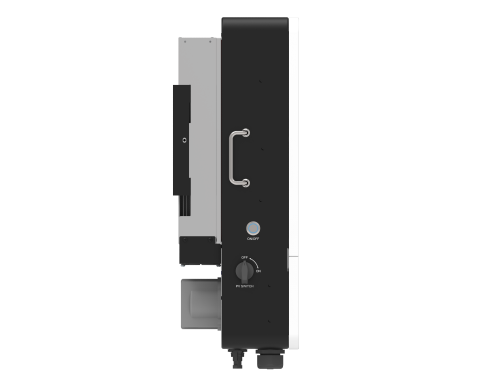
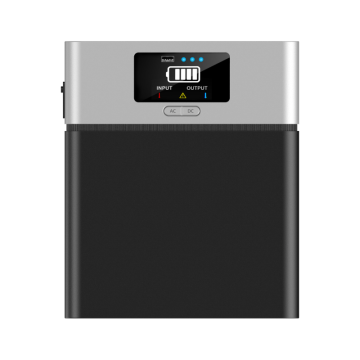
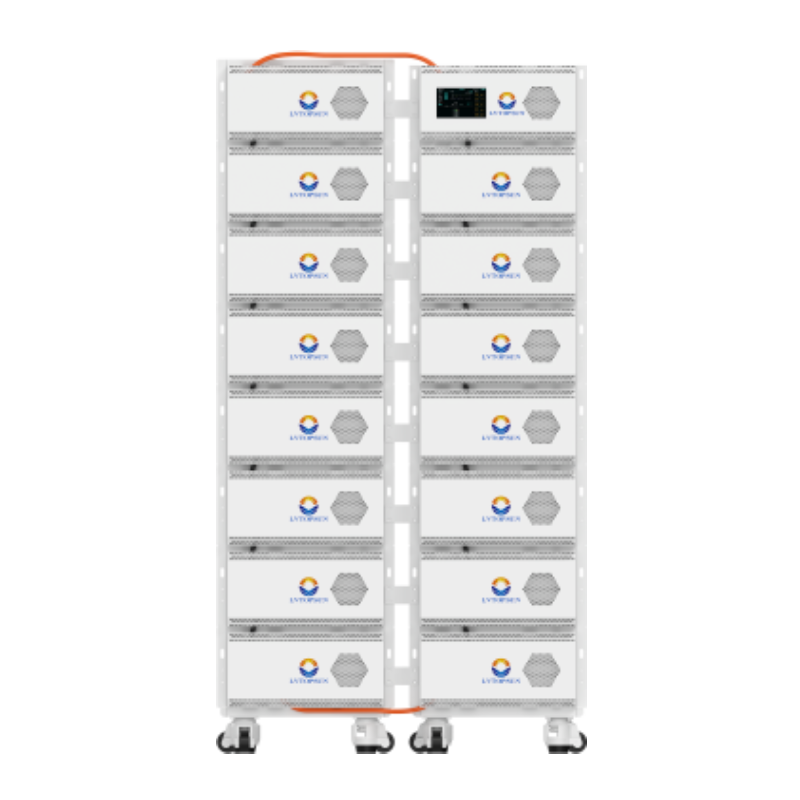
15kW Hybrid Solar Inverter LVTS-15KW-HYD from China Suppliers - High Efficiency Factory Solution for Solar Storage
High-Performance Web Design & SEO Solutions
In today's digital landscape, a website serves as the cornerstone of your brand's online presence. However, simply having a website is not enough. To capture valuable search traffic and convert visitors into customers, your site must be engineered for both speed and search engine visibility.
Important Note: Google utilizes mobile-first indexing, meaning the mobile version of your website is the baseline for how Google determines rankings.
Our design philosophy focuses on clean code structure, intuitive user journeys, and robust on-page optimization. Below is an overview of our core optimization pillars.


By aligning visual design with technical SEO best practices, we help businesses achieve sustained organic growth and improved search presence.
Frequently Asked Questions
What is mobile-first indexing?
Mobile-first indexing means Google predominantly uses the mobile version of the content for indexing and ranking. Since the majority of users access Google Search with a mobile device, this ensures the search results match user expectations.
How do large images affect my Google SEO?
Unoptimized, large images increase page load times, which negatively impacts user experience and Core Web Vitals. Google uses page speed as a ranking factor, so compressing images and using modern formats like WebP is essential.
What are the key elements of an SEO-friendly URL?
An SEO-friendly URL should be short, easy to read, include target keywords, use lowercase letters, and use hyphens to separate words instead of underscores or special characters.
Why is structured data (Schema) important?
Structured data provides explicit clues about the meaning of a page to search engines. Implementing schema markup can help your site earn rich snippets, which improve visibility and click-through rates in SERPs.
How often should I update my website content?
Regularly updating your content signals to search engines that your site is active and relevant. Focus on updating outdated statistics, improving thin content, and publishing fresh, high-quality articles that address user search intent.