









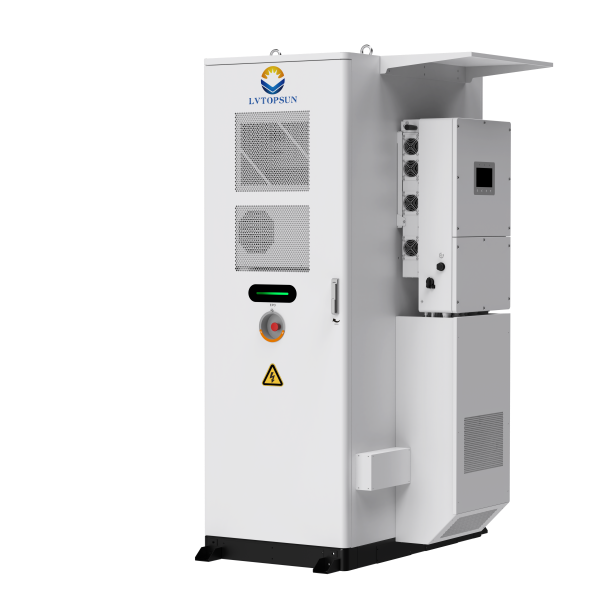
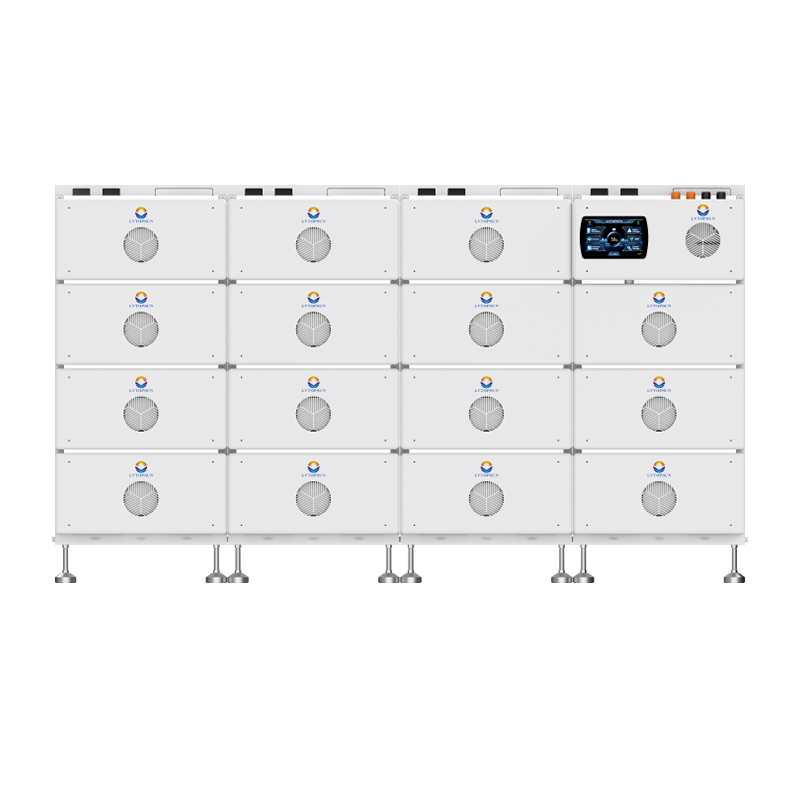
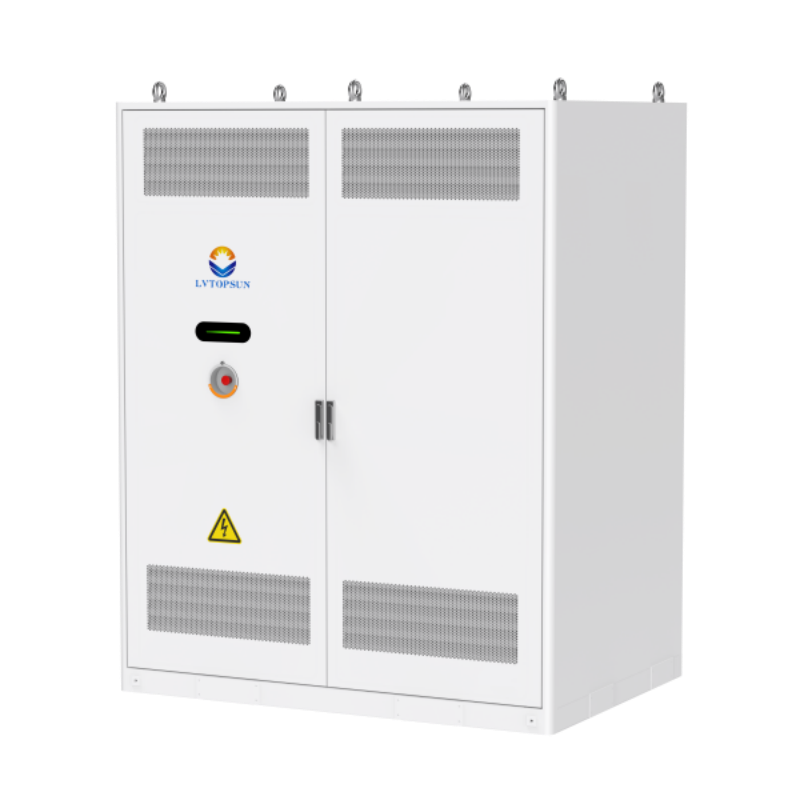
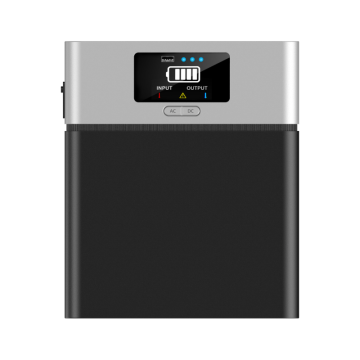
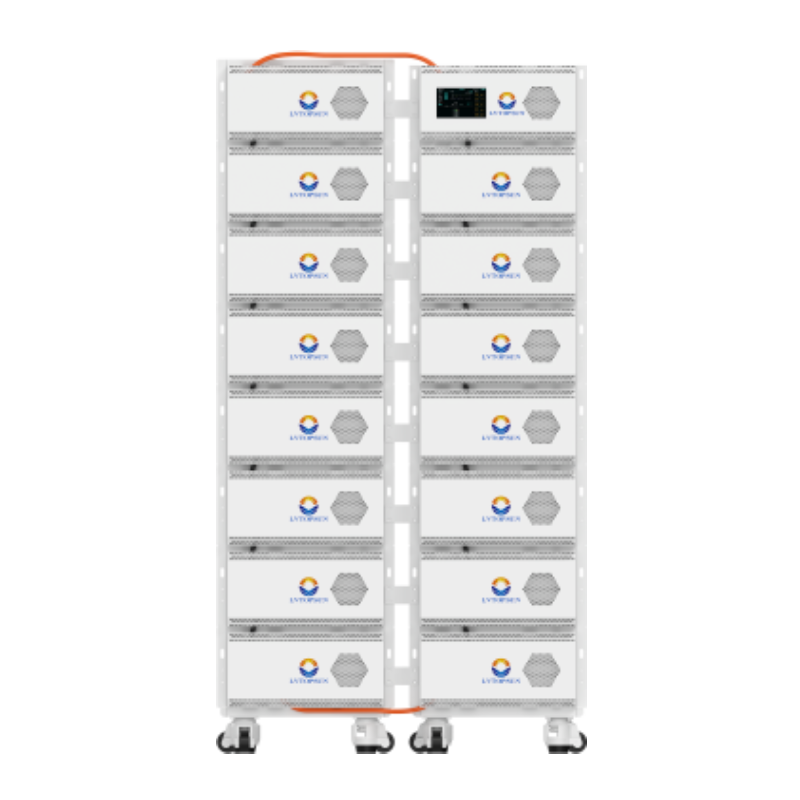

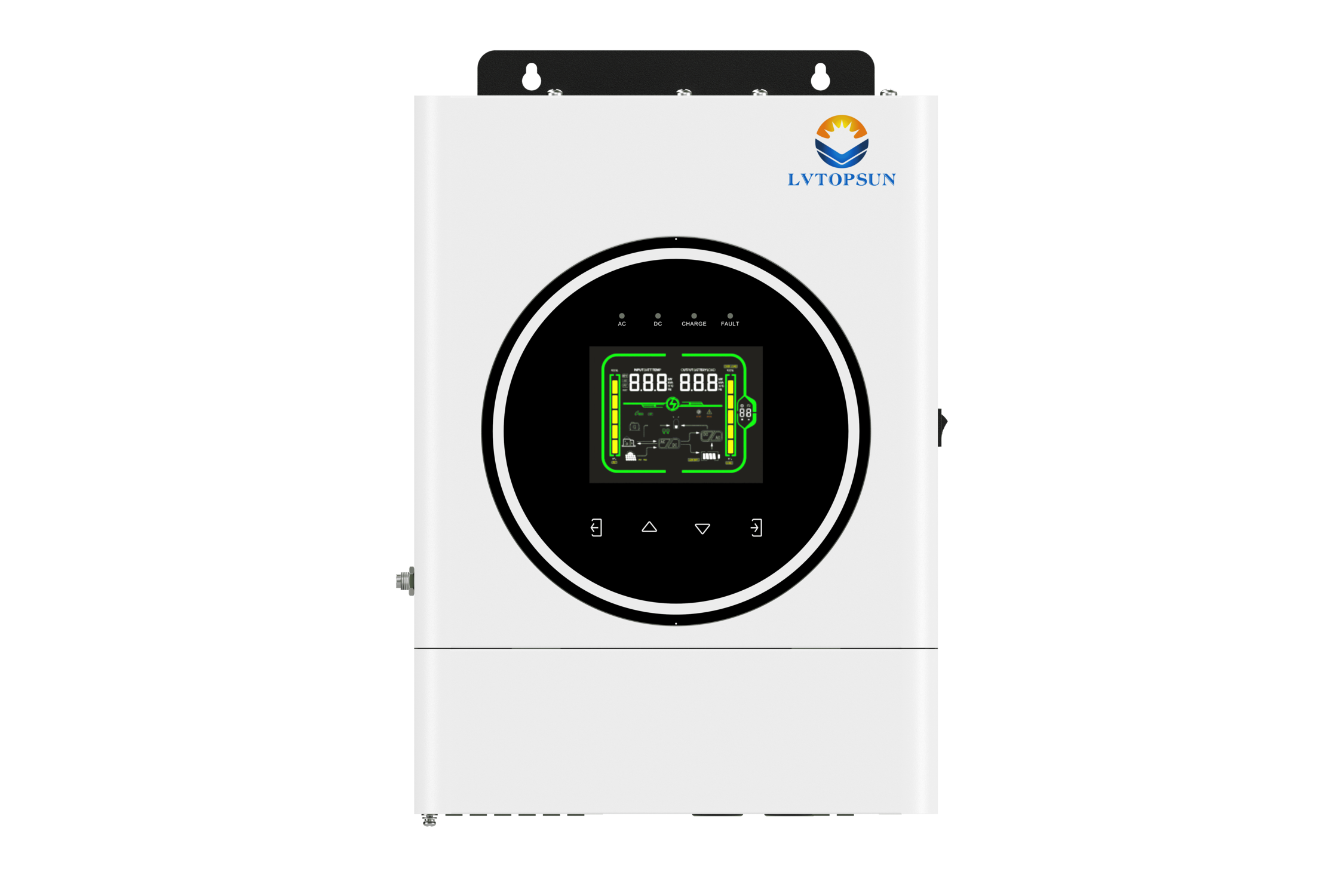
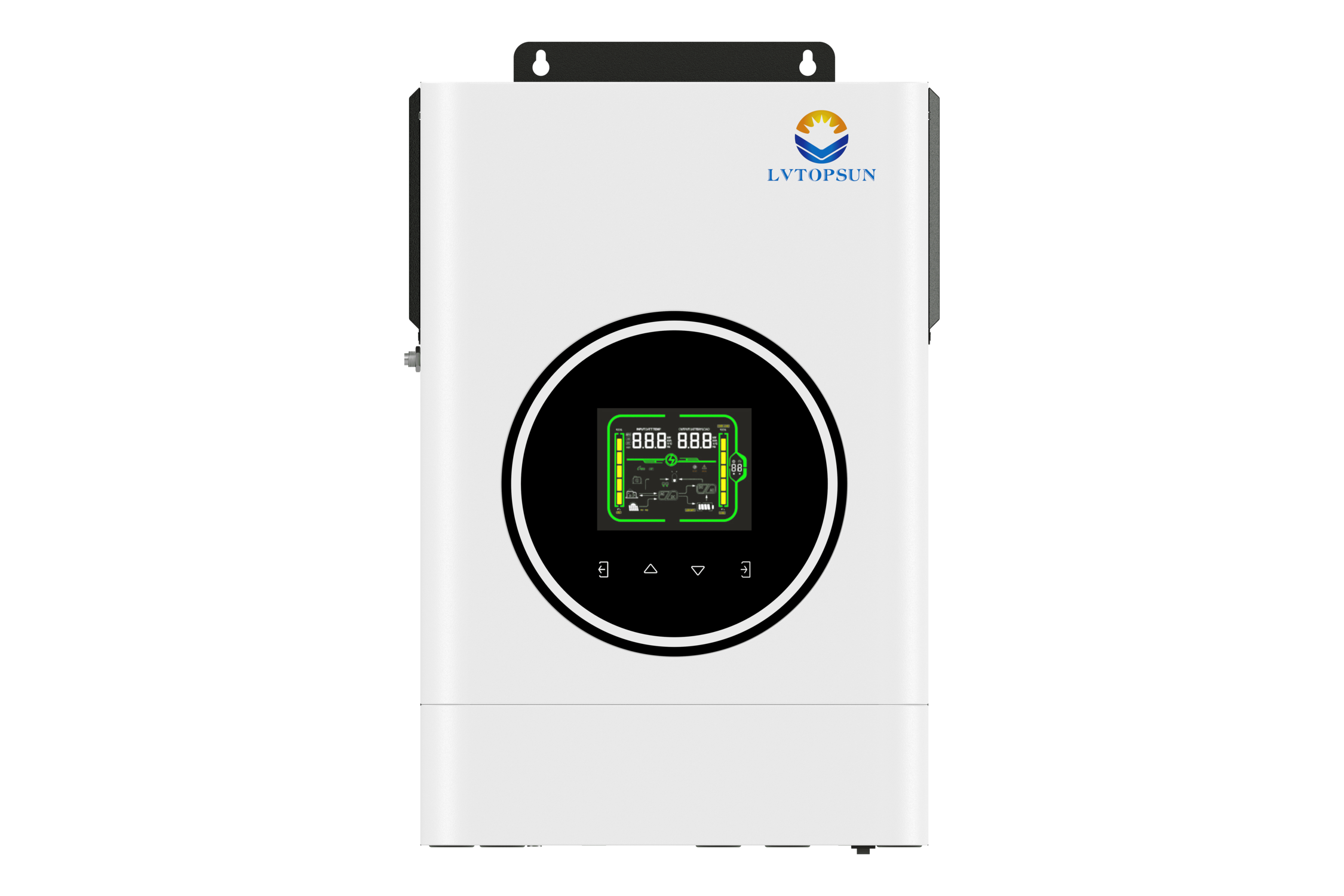
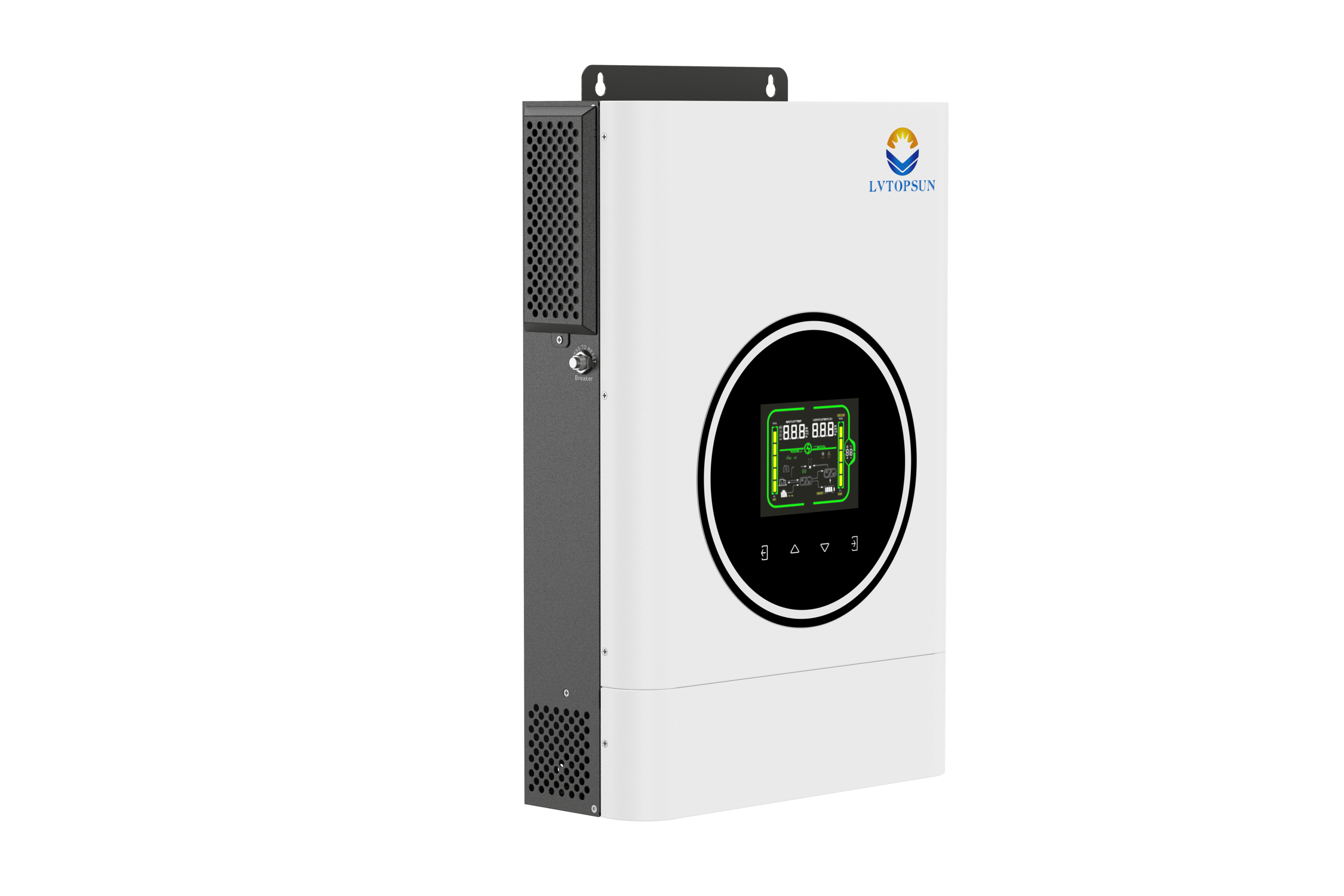
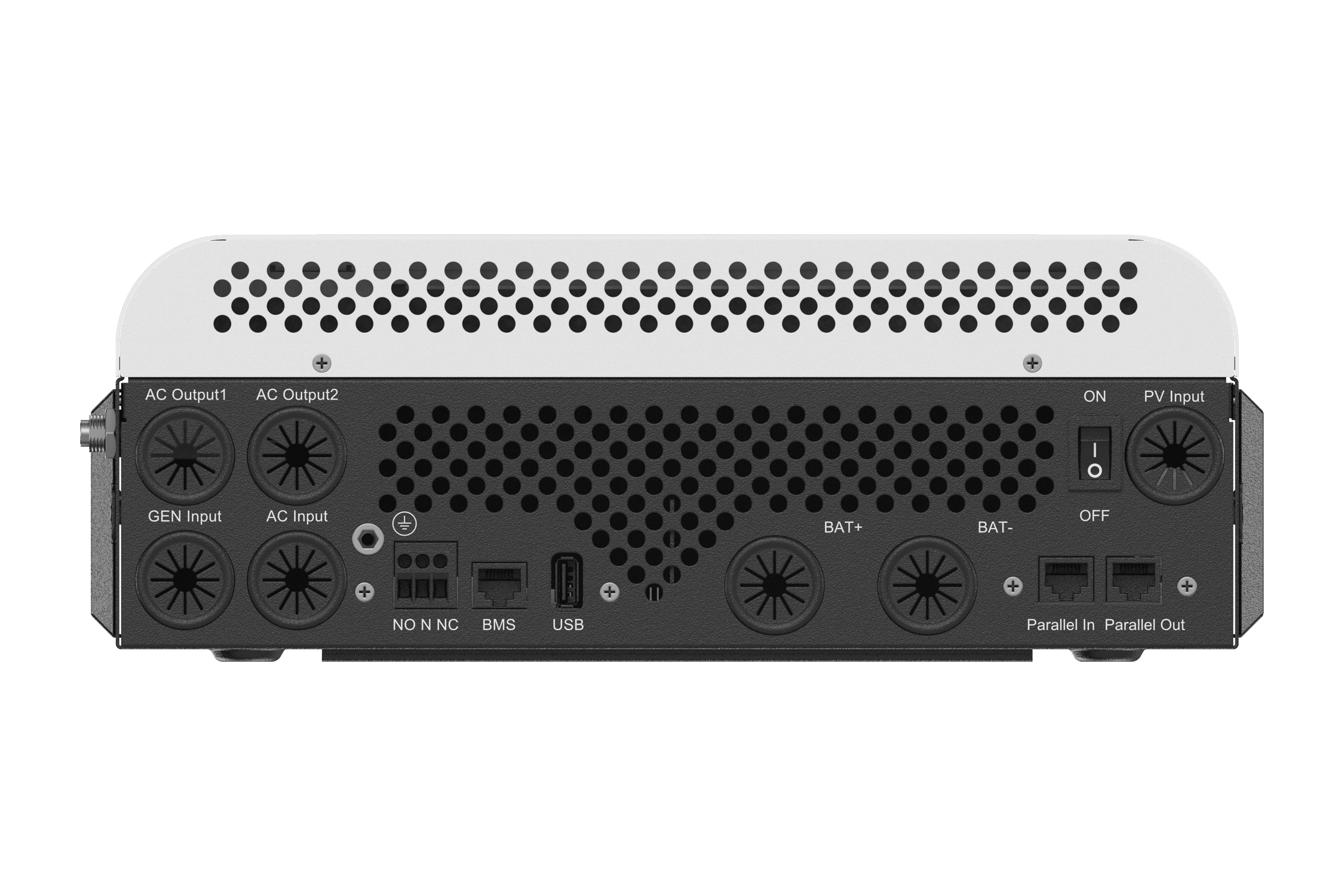
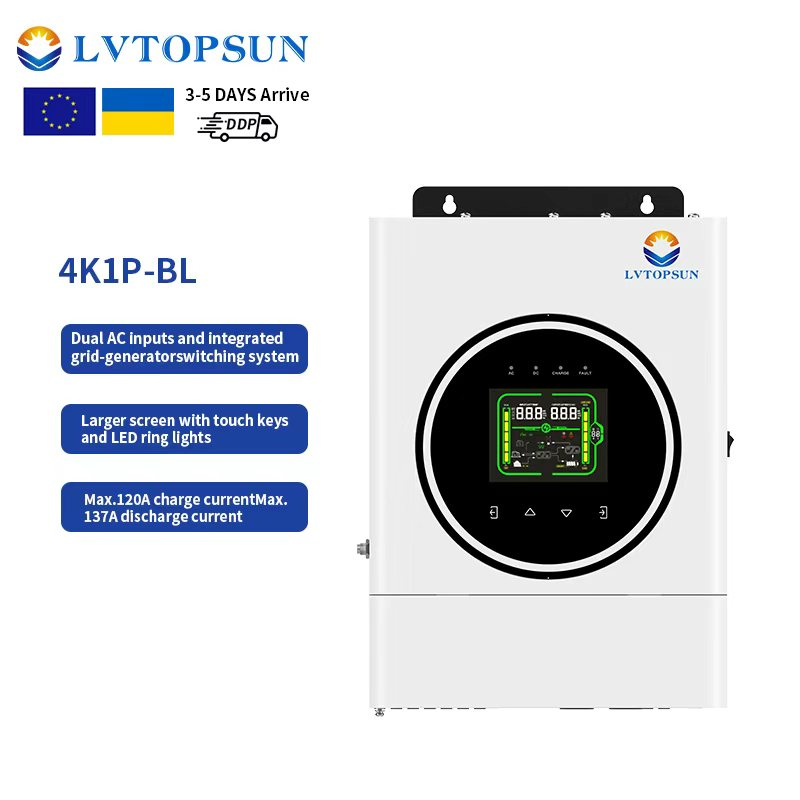
6kW Hybrid Solar Inverter LVTS-6KW-HYD from China Suppliers & Factory for Energy Storage Solutions
Maximizing SEO Performance with Responsive Web Design
In today's digital landscape, web design and search engine optimization (SEO) are deeply interconnected. A visually stunning website is ineffective if users cannot find it, and a highly ranked site will fail to convert visitors if the user experience is poor. Implementing responsive web design is the foundation of modern SEO success.
Google uses mobile-first indexing. This means the search engine predominantly uses the mobile version of the content for indexing and ranking.
Visual Layout and User Experience
Providing seamless navigation across devices reduces bounce rates and increases dwell time—two critical metrics that signal quality to search engine algorithms. Below is a demonstration of clean, responsive interface layouts optimized for desktop, tablet, and mobile viewpoints.


Page Speed and Video Integration
Rich media, such as videos, dramatically increases user engagement. However, media elements must be optimized to ensure they do not slow down page load times, which could negatively impact search engine rankings.
Responsive web design is an approach where a website is crafted to provide an optimal viewing experience—including easy reading and navigation with minimal resizing, panning, and scrolling—across a wide range of devices from desktop computer monitors to mobile phones.
Mobile-first indexing means Google predominantly uses the mobile version of content for indexing and ranking. If your website is not optimized for mobile, it can significantly decrease your search engine ranking visibility.
Page speed is a direct ranking factor for both desktop and mobile searches. Faster loading times improve user experience, reduce bounce rates, and help search engine crawlers index your pages more efficiently.
Images should be compressed to reduce file size without losing quality, saved in modern formats like WebP, and include descriptive alt text containing relevant keywords to help search engines understand the image content.
While bounce rate itself is not a direct ranking factor, a high bounce rate often points to underlying user experience issues, slow loading speeds, or irrelevant content, which can indirectly lead to a drop in search rankings over time.