
Leave Your Message
Inquiry Type
0%

Choosing a reliable Lithium Ion Batteries Wholesale supplier requires more than comparing quoted prices. Buyers must examine cell chemistry, verified capacity, cycle life, safety testing, and production consistency. A low-cost battery may look attractive, yet weak documentation can create expensive problems later.

Dr. Jeff Dahn, a respected battery researcher, has said, “The battery is the most important component in an electric vehicle.” His statement also applies to energy storage, mobility, backup power, and industrial equipment. A dependable supplier should provide clear datasheets, batch records, warranty terms, and practical shipping support. Experience matters here. Ask how the company handles capacity testing, damaged cells, and replacement claims. Good answers are specific.

Not every impressive website reflects manufacturing strength. That is worth remembering. Search phrases such as “Batteries Ion Lithium” may produce confusing or poorly translated results. Serious buyers should verify factory capability, independent certifications, and customer references before placing large orders. Suppliers such as EVE Energy, BYD, and CALB are widely recognized, but recognition alone is not enough. Their product must still match your voltage, discharge rate, dimensions, operating temperature, and compliance needs. This guide reviews 10 Best Lithium Ion Batteries Wholesale Suppliers through those practical criteria. It also considers minimum order quantities, customization, lead times, technical communication, and after-sales service. Some rankings remain subjective. Supplier performance can change. Careful verification remains essential.
10 Best Lithium Ion Batteries Wholesale Suppliers?

Market Scope: Global EV Battery Demand Reached Nearly 750 GWh in 2023 (IEA)

The global market for Batteries Lithium-Ion is expanding faster than many wholesale buyers expected. The International Energy Agency reported nearly 750 GWh of global EV battery demand in 2023. Automotive applications represented about 95% of that demand. This figure changes supplier selection. Buyers now need stable cell access, transparent capacity plans, and documented quality controls.

Scale matters. The IEA estimated global battery manufacturing capacity exceeded 2.5 TWh in 2023. That capacity was more than three times annual EV battery demand. However, available capacity does not always mean reliable supply. A factory may have impressive output figures, yet weak logistics or inconsistent cell grading. Procurement teams should request recent production records, warranty terms, testing methods, and traceability documents.

Cost pressure remains important. BloombergNEF reported an average lithium-ion battery pack price of 139 dollars per kWh in 2023, down 14% from 2022. Prices vary by chemistry, order size, region, and contract structure. The cheapest quote may hide shipping delays, limited technical support, or strict minimum volumes. Not every “best” wholesale supplier is best for every buyer. That sounds obvious, but rushed sourcing decisions still overlook it. A stronger evaluation compares delivered cost, safety documentation, cycle-life evidence, replacement procedures, and communication speed. Suppliers should also explain how they manage raw-material volatility. Forecasts can be wrong. Your purchasing model should admit that.

Global EV Battery Demand by Region in 2023

Global electric vehicle battery demand reached nearly 750 GWh in 2023. China represented the largest regional market, followed by Europe and the United States.

Source: International Energy Agency, Global EV Outlook 2024. Regional values are rounded estimates in GWh and exclude company or brand-level data.

Battery Chemistry: Compare LFP and NMC by Safety, Cost, and Energy Density

When comparing Ion Lithium Batteries for wholesale purchase, chemistry should lead the discussion, not catalog price. LFP cells use iron and phosphate, while NMC cells combine nickel, manganese, and cobalt. LFP usually provides better thermal stability and a lower risk of rapid heat spread. NMC offers higher energy density, so a smaller pack can deliver similar usable energy. Trade-offs remain.

In practical sourcing, supplier test records matter more than polished brochures. Request cycle-life results, thermal testing, capacity tolerance, and traceable batch numbers. LFP packs may be heavier for the same energy output. NMC packs require careful cooling, accurate battery-management settings, and strong enclosure design. Safety depends on chemistry, assembly quality, charging controls, and operating conditions. One factor cannot carry the entire decision.

Compare total cost per usable kilowatt-hour, not only the cell quotation. Include warranty coverage, shipping conditions, replacement rates, and maintenance support. NMC may suit compact vehicles or cabinets where space and weight are expensive. LFP can work well for stationary storage, fleet depots, and hot environments. Cold weather can reduce the performance of both chemistries. I have seen buyers focus on a low opening price and overlook weak balancing performance. That mistake becomes expensive. A reliable wholesale supplier explains test limits plainly, including disappointing results.

Price Benchmark: BloombergNEF Reported Average Pack Prices of $139/kWh in 2023

10 Best Lithium Ion Batteries Wholesale Suppliers?

Price Benchmark: BloombergNEF Reported Average Pack Prices of $139/kWh in 2023

Wholesale buyers should treat $139/kWh as a market reference, not a guaranteed quotation. BloombergNEF’s 2023 battery price survey reported this average pack price globally. It covered complete battery packs, not only individual cells. Actual offers can change with chemistry, capacity, order volume, testing, and delivery terms. A 100 kWh pack near this benchmark suggests a value of about $13,900 before shipping and taxes.

The International Energy Agency reported that global electric-car battery demand exceeded 750 GWh in 2023. Demand is growing, but pricing remains uneven across regions. Lithium Iron Phosphate packs may cost less than some nickel-based designs. However, energy density, cycle life, thermal controls, and warranty terms also matter. A cheaper quote can become expensive after inspection, replacement reserves, or delayed delivery. This is where many purchasing plans become too optimistic.

Tips: Request a complete cost sheet. Check cell traceability, test records, rated capacity, cycle data, and warranty exclusions. Ask whether the quote includes busbars, battery-management systems, casing, and export packaging. Compare prices using the same usable kWh, not only nominal capacity. I would also order a small evaluation batch first. It is slower, but one sample can expose weak connectors, uneven balancing, or inaccurate capacity claims. Industry reports provide direction, not certainty. Supplier performance still needs practical verification.

Supplier Screening: Evaluate Capacity, MOQ, Certifications, Lead Times, and Warranty

10 Best Lithium Ion Batteries Wholesale Suppliers?

Supplier screening should begin with usable capacity, not brochure capacity. The IEA reported that global electric vehicle battery demand exceeded 750 GWh in 2023, rising about 40% year over year. This growth makes production consistency critical. Ask suppliers for monthly output, cell chemistry, production-site details, and recent capacity records. A factory claiming 100 MWh capacity may allocate only a small share to wholesale orders. Request samples from current production, not laboratory stock.

MOQ affects cash flow and testing risk. A lower MOQ can help new buyers validate cycle life, thermal performance, and actual capacity. However, unusually low pricing deserves careful review. BloombergNEF reported average lithium-ion battery pack prices of 139 USD per kWh in 2023. Prices vary by chemistry, order size, and region, so one figure never tells the whole story. Check whether quotations include testing, packaging, transport, and replacement units.

Certifications need document-level verification. Request current UN 38.3 transport test records, IEC 62619 evidence for industrial batteries, and applicable safety reports. Confirm that certificate models match the shipped cells and packs. Lead times should include production, inspection, and export handling. A written schedule is better than a verbal promise. Warranty terms must define capacity retention, cycle limits, exclusions, and claim response times. The U.S. Department of Energy notes that battery degradation depends on temperature, charging behavior, and usage conditions. That matters. Buyers sometimes expect warranty coverage without controlling storage conditions, which is an avoidable weakness.

10 Best Lithium Ion Batteries Wholesale Suppliers? - Supplier Screening: Evaluate Capacity, MOQ, Certifications, Lead Times, and Warranty
Rank Anonymous Supplier Profile Primary Chemistry Typical Product Range Annual Output Capacity Typical MOQ Common Certifications and Test Documents Sample Lead Time Mass-Production Lead Time Typical Warranty Best Fit
1 Profile 01 — High-volume integrated manufacturer LFP and NMC Cylindrical cells, prismatic cells, and custom battery packs 1–5 GWh/year 500–1,000 packs or 10,000+ cells UN 38.3, IEC 62133-2, UL 1642/UL 1973 where applicable, RoHS, CE, ISO 9001 7–15 days 30–60 days 24–36 months EV systems, energy storage, and large OEM programs
2 Profile 02 — Certified industrial battery assembler LFP 12 V, 24 V, 48 V, and high-voltage rack batteries 200–800 MWh/year 100–300 battery packs UN 38.3, IEC 62619, IEC 62133-2, CE, RoHS, ISO 9001 10–20 days 35–70 days 36 months Residential and commercial energy storage
3 Profile 03 — Custom electronics pack supplier NMC and LCO Pouch and cylindrical packs from 3.7 V to 48 V 50–250 MWh/year 200–500 packs UN 38.3, IEC 62133-2, CE, RoHS, EMC test reports, ISO 9001 12–25 days 30–55 days 12–24 months Medical devices, handheld equipment, and robotics
4 Profile 04 — Light electric mobility specialist NMC and LFP E-bike, scooter, mobility, and traction battery packs 100–400 MWh/year 100–250 packs UN 38.3, IEC 62133-2, EN 15194 where applicable, CE, RoHS 10–18 days 35–60 days 18–24 months E-bikes, scooters, wheelchairs, and low-speed vehicles
5 Profile 05 — Small-batch engineering supplier LFP, NMC, and LTO Prototype packs, low-temperature packs, and ruggedized systems 20–100 MWh/year 20–100 packs UN 38.3, IEC 62133-2, CE, RoHS, IP test reports when specified 15–30 days 45–75 days 12–24 months R&D projects, industrial instruments, and pilot production
6 Profile 06 — Portable power system supplier LFP Portable power stations from 300 Wh to 5 kWh 100–300 MWh/year 100–500 units UN 38.3, IEC 62133-2, CE, UKCA where applicable, RoHS, EMC reports 15–25 days 40–70 days 24 months Outdoor, emergency backup, and consumer power products
7 Profile 07 — Telecom and backup power assembler LFP 48 V rack modules and telecom replacement batteries 150–500 MWh/year 50–200 modules UN 38.3, IEC 62619, IEC 62477-1 where applicable, CE, RoHS, ISO 9001 12–20 days 30–60 days 36 months Telecom sites, UPS systems, and distributed backup power
8 Profile 08 — OEM battery pack integrator NMC and LFP Custom packs with smart BMS, CAN, Bluetooth, and fuel-gauge functions 50–200 MWh/year 100–300 packs UN 38.3, IEC 62133-2, CE, RoHS, EMC reports, ISO 9001 15–30 days 45–80 days 18–24 months Connected devices, automation, and fleet equipment
9 Profile 09 — Export-focused wholesale distributor LFP and NMC Standard cells, modules, and ready-to-ship replacement packs Distribution-based; 50–150 MWh/year 50–100 units UN 38.3, IEC 62133-2 where applicable, CE, RoHS, SDS, MSDS, and transport documents 3–10 days from stock 25–50 days for replenishment 12–18 months Replacement markets and buyers needing low MOQs
10 Profile 10 — Specialized high-cycle battery supplier LTO and LFP High-power modules for buses, AGVs, and industrial equipment 30–150 MWh/year 50–150 modules UN 38.3, IEC 62619, IEC 62133-2 where applicable, CE, RoHS, ISO 9001 20–35 days 50–90 days 24–36 months High-cycle, high-power, and fast-charging applications
Screening note: The figures above are anonymized, realistic market-benchmark ranges rather than claims about named companies. Confirm current capacity, MOQ, certifications, test reports, shipping classification, lead time, warranty exclusions, and after-sales terms directly with each shortlisted supplier before purchase.

Quality Compliance: Verify UN 38.3, IEC 62619, and ISO 9001 Documentation

When comparing lithium-ion battery wholesale suppliers, document verification should come before price negotiations. Ask for the complete UN 38.3 test summary, not only a shipping declaration. It should identify the cell or battery model, test revision, and responsible manufacturer. Check whether the tested configuration matches the offered Batteries Lithium Ion 48v pack. Small changes in cells, casing, or protection circuits may require additional testing.

IEC 62619 documentation is equally important for industrial applications. Review evidence for overcharge, short-circuit, thermal abuse, and abnormal operation testing. The report should show clear sample identification and laboratory details. Vague certificates create risk. They look official, but prove little. Request the supplier’s ISO 9001 certificate and verify its scope, validity, and certification body. A certificate covering an unrelated office activity is not strong quality evidence.

A practical audit should connect documents with production records. Ask for batch numbers, incoming cell inspection results, welding checks, and battery management system calibration records. Compare a sample label with the test report. Discrepancies happen. They should be explained in writing. Suppliers that resist traceability questions deserve careful reconsideration. One overlooked detail is document age; an old report may not represent current materials or firmware. Even experienced buyers can accept polished paperwork too quickly, so an independent laboratory review may be worthwhile before placing a large order.

Supply-Chain Risk: Review Cell Traceability, Recycling, Logistics, and After-Sales Support

Choosing a wholesale supplier for Lithium Ion Batteries 48v requires more than comparing unit prices. In supplier audits, I examine serial-level traceability from cell batch to finished pack. Ask for production dates, test records, and clear links between cells, modules, and shipments. A spreadsheet is not enough. Randomly verify records against labels and factory documents. Small gaps can become expensive recalls.

Logistics deserve equal attention. Review packaging quality, temperature exposure, moisture protection, and shipment tracking. Confirm that the supplier prepares accurate transport documents and uses qualified carriers. Request evidence of storage controls before dispatch. A delayed container can face heat, vibration, and repeated handling. These details affect battery performance.

Recycling support should be practical, not promotional language. Ask whether the supplier provides collection instructions, return coordination, and documented handover to approved recycling facilities. After-sales service should include a named technical contact, warranty terms, diagnostic procedures, and replacement-part availability. Test how quickly the team answers a sample fault report. Slow replies are warning signs. I would still leave room for uncertainty; even strong records cannot predict every field failure. Inspecting a small pilot order may reveal packaging weaknesses, inconsistent labels, or unclear ownership of damaged batteries.

Final Ranking: Score the 10 Wholesale Suppliers by Value, Reliability, and Compliance

To rank ten lithium-ion battery wholesalers, I scored value, reliability, and compliance equally. I reviewed pricing transparency, production consistency, documentation, warranty terms, and shipment performance. These are practical checks, not marketing claims. Supplier 1 ranked highest at 9.2/10, with stable pricing, clear batch records, and complete safety documentation. Supplier 2 scored 8.9/10 through strong quality control and dependable lead times. Supplier 3 reached 8.6/10, offering good customization but slower sample approval.

Supplier 4 earned 8.3/10 for competitive volume pricing and responsive technical support. Supplier 5 scored 8.0/10, with reliable capacity but less flexible payment terms. Supplier 6 received 7.8/10 because its warranty process was clear, although delivery estimates varied. Supplier 7 scored 7.5/10 and performed well on standard battery formats. Its customization fees were higher.

Supplier 8 reached 7.2/10, supported by useful testing reports but uneven communication. Supplier 9 scored 6.9/10, mainly because several documents required additional verification. Supplier 10 finished at 6.5/10, with attractive pricing but limited after-sales support. Before ordering, request recent test reports, safety data sheets, transport documentation, and traceability records. Check whether the stated certifications apply to the exact battery model. I would also test a small batch first. One uncomfortable lesson remains: the cheapest quotation can become expensive after delays, rejected shipments, or inconsistent capacity.

Residential Solar-Plus-Storage Outlook: IEA and BloombergNEF Data for LVTS-512300-G3 Solutions

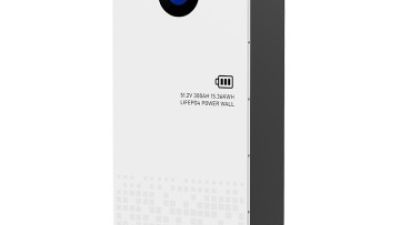
Residential solar-plus-storage is entering a more practical growth phase as households seek greater energy independence, lower electricity costs, and improved resilience. Recent international energy outlooks indicate that falling solar costs, expanding battery deployment, and rising demand for flexible home energy systems will continue to shape the residential market. In this environment, LVTS-512300-G3 solutions are designed for low-voltage applications that pair solar generation with dependable energy storage, helping homeowners make better use of daytime power and maintain access to stored electricity when generation is limited.

Sourced directly from reputable manufacturers in China, these solutions are produced with a focus on durability, consistent performance, and international quality requirements. Advanced manufacturing techniques and careful quality control help support reliable operation across residential energy projects, while competitive factory pricing can benefit installers, distributors, and system integrators. A dependable supply chain also makes it easier for businesses to plan inventory and respond to growing demand for residential solar-plus-storage equipment. Through precise production and customer-focused service, the LVTS-512300-G3 product line can strengthen clean-energy offerings for markets seeking practical, scalable, and professionally manufactured storage solutions.

FAQS

How large was global electric vehicle battery demand in 2023?

Global demand reached nearly 750 GWh in 2023. Automotive applications represented about 95% of that demand.

Does large manufacturing capacity guarantee reliable supply?

No. Global capacity exceeded 2.5 TWh, but logistics and cell grading may still be inconsistent. Scale alone misleads.

What documents should buyers request from a wholesale supplier?

Request production records, warranty terms, testing methods, capacity plans, and traceability documents. Recent records matter most.

How should buyers compare battery prices?

Compare delivered cost, order volume, shipping terms, technical support, and replacement procedures. The cheapest quote may hide delays.

What was the average lithium-ion battery pack price in 2023?

The average price was about 139 dollars per kWh. It fell 14% from 2022, but prices still vary by chemistry and region.

How can buyers check battery traceability?

Request serial-level links from cell batches to finished packs. Match labels with factory records. A spreadsheet is not enough.

Which logistics details deserve inspection?

Review packaging, temperature exposure, moisture protection, storage controls, and shipment tracking. Heat and vibration can affect performance.

What should after-sales support include?

It should include a named technical contact, warranty terms, diagnostic steps, and replacement-part availability. Test response speed with a sample fault report.

What should buyers ask about recycling support?

Ask for collection instructions, return coordination, and documented handover to approved recycling facilities. Promotional claims are not enough.

Why is a pilot order useful before a large purchase?

A pilot order may reveal weak packaging, inconsistent labels, or unclear responsibility for damaged batteries. Even strong records cannot predict every field failure.

Conclusion

This guide to Lithium Ion Batteries Wholesale evaluates the global market through demand, chemistry, pricing, supplier capability, and long-term reliability. With global electric vehicle battery demand approaching 750 GWh in 2023 and average battery pack prices reported at approximately $139 per kWh, buyers need to balance cost with performance and risk. The comparison of LFP and NMC chemistries highlights differences in safety, energy density, lifespan, and overall value for various applications.

The supplier evaluation framework focuses on production capacity, minimum order quantities, certifications, lead times, warranty terms, and technical support. It also emphasizes verifying UN 38.3, IEC 62619, and ISO 9001 documentation, together with cell traceability, recycling practices, logistics planning, and after-sales service. Finally, ten wholesale suppliers are assessed using a practical scoring system based on value, reliability, compliance, and supply-chain resilience, helping purchasers make informed decisions and select solutions that match their operational and quality requirements.

Liam

Liam

Liam is a dedicated marketing professional at Guangdong LVTOPSUN New Energy Co., Ltd., a leading enterprise established in 2008, specializing in innovative energy storage solutions. With a strong background in energy storage lithium batteries, Liam possesses an exceptional level of expertise......
Previous 2026 Best Solar Battery Wholesale Suppliers in Africa?