
Leave Your Message
Inquiry Type
0%

By 2026, Africa’s solar-storage market is moving into a much more practical phase. Buyers aren’t just looking for glossy brochures anymore—they want batteries that actually hold up. This guide looks at the best Solar Battery Wholesale Africa suppliers through a field-focused lens: warranty support, cycle life, battery management systems, and installer training.

A solid supplier gets what Africa throws at a system—heat, dust, shaky grids, and long, rough transport routes. They should also give you clear technical documents and a straightforward replacement process. And product fit? That matters a lot. A 15kwh Solar Battery Lithium Battery might be perfect for a small clinic, farm, or retail shop, but it won’t fit every site. You’ve got to measure load profiles carefully. Guessing gets expensive fast.

As UN Secretary-General António Guterres put it, “Africa is a renewable energy superpower in waiting.” But that potential needs reliable supply chains and technical partners who actually answer for their work. So this review looks at manufacturers, distributors, regional warehouses, payment terms, and after-sales responsiveness. Proof matters more than marketing noise.

No ranking is ever perfect. Local prices can move quickly, and import costs may shift within weeks. Some suppliers still leave warranty details vague—that deserves a callout. Others have good products but thin field support. That gap can be the difference between a battery running for ten years and one failing during a critical outage.

This overview is for wholesalers, installers, developers, and commercial buyers. It compares practical value across African markets. Still, before you sign anything, check certifications, installation conditions, and local service coverage yourself.
2026 Best Solar Battery Wholesale Suppliers in Africa?

African Solar Battery Wholesale Market Overview for 2026

2026 Best Solar Battery Wholesale Suppliers in Africa?

African Solar Battery Wholesale Market Overview for 2026

Africa’s solar battery market is becoming more practical and regional. Demand is growing from homes, clinics, farms, telecom sites, and commercial facilities. Lithium Iron Phosphate batteries are gaining attention because they offer stable cycle performance and lower routine maintenance. Lead-acid systems still serve price-sensitive projects. The cheapest option is not always the best option.

Reliable wholesale suppliers should provide clear technical documents, traceable production records, and realistic warranty terms. Buyers should check usable capacity, battery management functions, operating temperature, enclosure protection, and communication compatibility. A 10 kWh battery may deliver less usable energy after reserve limits and conversion losses. Ask for test reports.

Regional stock matters. Warehouses near major ports or inland distribution centers can reduce delays and replacement costs. However, local availability does not prove quality. Confirm spare parts, installer training, response times, and procedures for defective units. Good suppliers also explain transport conditions and safe storage requirements.

Market conditions remain uneven. Currency changes, import duties, weak roads, and limited technical support can affect final project costs. Some forecasts appear too confident because they overlook these issues. Procurement teams should compare lifetime cost, not only the invoice price. Pilot installations can reveal heat-related derating, communication faults, or unexpected maintenance needs before larger orders are placed.

Key Criteria for Evaluating Wholesale Battery Suppliers

When evaluating 2026 solar battery wholesale suppliers in Africa, examine performance beyond the quoted price. Ask for tested usable capacity, cycle life, round-trip efficiency, and operating temperature ranges. A battery rated for 5,000 cycles may perform differently under daily heat, dust, and irregular charging. Check whether the system supports common inverters and remote monitoring. Compatibility failures can delay installation and damage trust.

Tips: Request independent test reports, warranty terms, safety certifications, and sample units before placing a large order. Confirm the minimum order quantity, production lead time, spare-part availability, and shipping documents. A clear service process matters when a battery fails months after installation. Also inspect packaging quality; damp cartons and weak corner protection are practical warning signs.

Reliable suppliers should explain cell chemistry, battery management protections, thermal control, and end-of-life handling in plain language. They should provide serial tracking and installation guidance for local technicians. In Solar And Battery projects, technical support can be as important as energy density. Ask how warranty claims are assessed and who pays transport costs. Some quotations hide replacement conditions in small clauses. That deserves careful review. No datasheet is perfect, and field results may vary, so compare verified evidence with local operating experience before committing funds.

2026 Best Solar Battery Wholesale Suppliers in Africa

Key Criteria for Evaluating Wholesale Battery Suppliers

This procurement benchmark prioritizes battery performance, safety compliance, commercial terms, and supply reliability. The percentages represent recommended weighting for a wholesale supplier evaluation and are not company-specific ratings.

Top Solar Battery Wholesale Supplier Categories in Africa

Africa’s solar battery wholesale market includes several practical supplier categories. Manufacturers of lithium iron phosphate batteries serve homes, clinics, shops, and small businesses needing daily cycling. Their systems often include battery management systems, remote monitoring, and compact wall-mounted designs. A Solar Battery 12v option may suit small lighting systems, security equipment, and basic irrigation controls.

Lead-acid wholesalers remain important where budgets are tight and replacement access matters. Their range may include flooded tubular, AGM, and gel batteries. Tubular models can support backup power in areas with frequent outages. AGM and gel units are cleaner for indoor installations, but they still need suitable ventilation and temperature control. Very cheap stock can become expensive after repeated replacements.

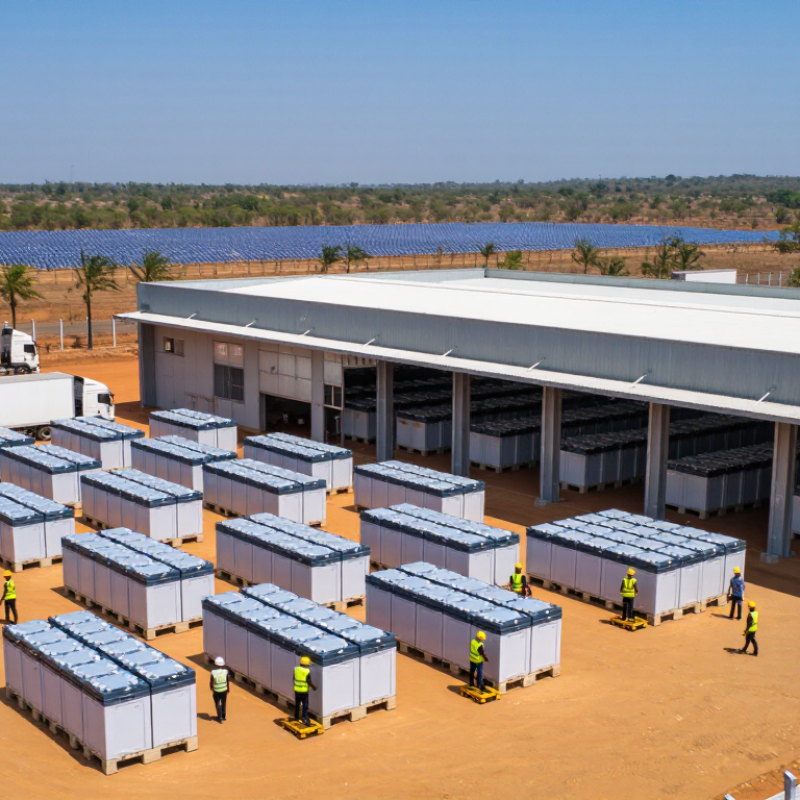
Specialist distributors focus on commercial and rural projects. They may supply high-voltage lithium cabinets, containerized storage, inverters, cables, and monitoring equipment together. Reliable suppliers should provide tested capacity data, safety documentation, clear warranty terms, and traceable shipping records. Ask about storage conditions before delivery; batteries left in hot warehouses may lose performance. Local technical support also matters, especially when installers face unstable grids or dusty environments. A supplier can look professional online yet offer weak after-sales service. That risk deserves closer checking.

2026 Best Solar Battery Wholesale Suppliers in Africa? - Top Solar Battery Wholesale Supplier Categories in Africa
Supplier Category Typical Battery Chemistry Common System Voltage Typical Usable Depth of Discharge Expected Cycle-Life Range Best-Fit African Applications Wholesale Strengths Key Procurement Checks
Lithium Iron Phosphate (LiFePO4) Battery Wholesalers Lifepo4 Lithium-ion cells with an integrated battery management system 12 V, 24 V, 48 V, and high-voltage modular systems Usually 80%–95%, depending on the battery manufacturer and operating conditions Approximately 3,000–6,000 cycles under specified test conditions Residential solar-plus-storage, small businesses, telecom backup, clinics, schools, and mini-grids High usable capacity, low routine maintenance, good efficiency, and compact installation footprint Verify cell grade, BMS protection, continuous discharge current, inverter compatibility, local support, and certification documentation
Valve-Regulated Lead-Acid Battery Wholesalers AGM or gel lead-acid technology 12 V and 24 V battery blocks; 48 V banks assembled from multiple units Generally 50% or less for longer service life Approximately 500–1,500 cycles, depending on design, temperature, and discharge depth Entry-level solar systems, backup power, rural installations, lighting systems, and cost-sensitive projects Established supply chain, straightforward replacement, broad inverter compatibility, and lower initial purchase cost Check date of manufacture, storage history, ventilation requirements, warranty terms, and transport handling procedures
Tubular Flooded Lead-Acid Battery Wholesalers Deep-cycle flooded tubular lead-acid 12 V and 24 V units; 48 V banks are commonly configured in series Usually 50%–70%, subject to maintenance and operating conditions Approximately 1,000–2,000 cycles in suitable deep-cycle applications Off-grid homes, agricultural systems, community power projects, and installations where regular maintenance is available Suitable for deep cycling, relatively familiar technology, and competitive pricing for larger battery banks Confirm electrolyte maintenance procedures, ventilation, water quality requirements, spill control, and heat-management measures
Commercial and Industrial Lithium Battery Integrators Rack-mounted or cabinet-based LiFePO4 systems with battery management and monitoring 48 V low-voltage systems and high-voltage systems above 100 V DC Typically 80%–95% Approximately 4,000–8,000 cycles, depending on cell selection and system controls Commercial buildings, factories, hospitals, data rooms, solar farms, and peak-demand management Scalable capacity, remote monitoring, high round-trip efficiency, and easier system expansion Review thermal management, fire-safety design, battery-to-inverter communication, cybersecurity, commissioning, and after-sales service
Containerized Energy Storage System Suppliers Large-format LiFePO4 or other lithium-ion battery modules integrated into outdoor enclosures Medium-voltage or high-voltage DC architecture, subject to project design Usually 80%–90% Approximately 4,000–8,000 cycles for many utility-scale lithium systems Utility solar plants, mini-grid networks, mining operations, industrial campuses, and grid-support projects High energy density, factory integration, standardized deployment, and centralized monitoring Assess grid-code compliance, HVAC performance, fire suppression, environmental rating, spare parts, site logistics, and service-level agreements
Telecom and Backup Battery Distributors LiFePO4, AGM, or gel batteries selected for standby and frequent backup operation 12 V, 24 V, and 48 V DC systems Approximately 50%–90%, depending on chemistry and duty cycle About 500–5,000 cycles, depending on whether the battery is lead-acid or lithium Telecommunications towers, network equipment, rural connectivity sites, and critical communications infrastructure Remote monitoring options, modular replacement, compatibility with DC power systems, and established logistics channels Check high-temperature performance, cabinet ventilation, battery autonomy calculations, remote alarms, and replacement lead times
Solar Kit and Small-System Wholesalers Compact LiFePO4 or sealed lead-acid batteries supplied with compatible solar components 12 V and 24 V are common; some products use integrated low-voltage DC outputs Approximately 50%–90%, depending on chemistry and product design Approximately 800–4,000 cycles Household lighting, phone charging, small appliances, kiosks, rural shops, and entry-level solar home systems Simple product bundles, easier distribution, lower system complexity, and suitability for decentralized retail networks Confirm actual energy capacity, inverter or load limits, battery replacement policy, protection functions, and product documentation
Second-Life and Refurbished Battery Suppliers Reused lithium-ion or lead-acid batteries recovered from previous applications Varies by source battery and rebuilt configuration Highly variable; commonly lower than new batteries and dependent on tested remaining capacity Not fixed; must be established through testing and documented history Non-critical backup systems, pilot projects, educational installations, and applications with controlled operating conditions Potentially lower acquisition cost and reduced material waste Require cell-level testing, state-of-health reports, traceability, safety inspection, warranty coverage, and clear end-of-life handling
Performance ranges are industry-typical estimates rather than guarantees. Actual results depend on temperature, charging method, discharge depth, installation quality, maintenance, storage conditions, and inverter settings.

Battery Technologies and Products Available for African Buyers

African buyers need more than a low battery price. They need technology suited to heat, dust, unstable grids, and long transport routes. Lithium iron phosphate batteries are popular because they offer strong cycle life, stable performance, and useful depth of discharge. They often serve homes, clinics, farms, and small businesses. Lead-acid batteries remain available for budget-focused projects, but they usually need more maintenance and ventilation. Sodium-ion systems are also emerging, although local support and field experience may still be limited.

Wholesale product ranges can include wall-mounted batteries, modular rack systems, outdoor cabinets, and portable solar storage units. Buyers should check inverter communication, battery management systems, usable capacity, and protection ratings.

A supplier should provide test reports, installation guidance, warranty terms, and replacement-part information. In Africa, after-sales support matters greatly. A technically good battery can still become a poor investment when spare parts arrive months late.

No chemistry is perfect.

Tips: Request samples before ordering containers. Test performance in real local temperatures. Compare usable energy, not only rated capacity. Confirm transport packaging and import documents. Ask whether remote monitoring works with weak internet. Keep written records of warranty promises. Do not assume the cheapest quotation is the safest choice; however, premium pricing alone does not prove quality. A practical pilot project may reveal problems that a polished brochure hides.

Pricing, Importation, and Distribution Considerations

Africa’s solar battery market rewards careful landed-cost planning, not the lowest quotation. BloombergNEF’s 2024 Battery Price Survey placed the global average lithium-ion pack price at US$115 per kWh. African wholesale offers may be higher after freight, insurance, port handling, duties, and currency movement. A 12v Battery Solar unit can look inexpensive online, yet terminal charges may change its delivered price sharply.

Importers should request cell chemistry, usable capacity, cycle-life tests, warranty terms, and safety documentation before payment. The International Energy Agency’s Africa Energy Outlook reports that hundreds of millions of people still lack reliable electricity access. This supports strong demand, but demand does not guarantee fast sales. Customs classification also needs local verification. Rules and taxes differ between markets. Keep a buffer for delays.

Distribution works better when inventory matches local use. Rural shops may need compact 12-volt systems, while clinics and telecom sites require larger storage and stronger service support. IRENA’s Renewable Capacity Statistics 2025 recorded continued renewable growth across Africa, increasing the need for flexible storage and trained installers. Regional warehouses can reduce delivery time, but they also create storage, insurance, and battery-management costs. A spreadsheet can still lie. Test a small shipment first, measure failure rates, and compare actual delivered cost against forecast pricing.

Supplier Compliance, Warranties, and After-Sales Support

For 2026, the best solar battery wholesale suppliers in Africa should prove more than competitive pricing. Compliance documents must match the exact battery model, not a similar product. Ask for IEC 62619, IEC 63056, and UN 38.3 test evidence where applicable. Import records, safety data sheets, and clear serial-number tracking also matter. The IEA’s 2024 Batteries and Secure Energy Transitions report says global battery storage capacity must expand sixfold by 2030. Africa’s market will need suppliers that can support reliable, distributed systems, including a Solar Battery 24v for small businesses and rural installations.

Warranty language deserves close inspection. A “ten-year warranty” may include capacity limits, cycle limits, temperature exclusions, or difficult return procedures. Request the guaranteed end-of-warranty capacity, response time, replacement process, and local service address. The World Bank’s quality guidance for off-grid solar products emphasizes verified performance and consumer protection. In practice, I would test sample units before ordering containers. One disappointing batch can damage cash flow quickly. I have seen buyers focus on price first, then discover that firmware support was unavailable.

Tips:

Ask for three references from similar African climates. Confirm spare-parts availability before payment. Require remote monitoring access, installation training, and written escalation contacts. Check performance at high temperatures, dusty sites, and unstable grids. Do not accept copied certificates. A supplier should explain every limitation plainly. That honesty is often more valuable than a longer brochure warranty.

FAQS

Why is solar battery demand growing across Africa?

Demand comes from homes, clinics, farms, telecom sites, shops, and commercial facilities. Many need dependable daily cycling or backup power.

Which battery type suits daily solar cycling?

Lithium iron phosphate batteries often provide stable cycles and lower routine maintenance. However, their purchase price can be higher.

Are lead-acid batteries still useful?

Yes. They suit price-sensitive projects and areas where replacement access is important. Flooded, AGM, and gel types serve different installation conditions.

What technical information should wholesalers provide?

Ask for usable capacity, management functions, temperature limits, enclosure protection, and communication compatibility. Request test reports, not only product brochures.

Does a 10 kWh battery always deliver 10 kWh?

No. Reserve limits and conversion losses reduce usable energy. The label can look better than the actual output.

Why does regional warehouse location matter?

Warehouses near ports or inland centers may reduce delivery delays and replacement costs. Local stock does not automatically prove quality.

What should buyers check about after-sales support?

Confirm spare parts, installer training, response times, and defective-unit procedures. A polished website may hide weak support.

How can buyers reduce project risks?

Compare lifetime cost, not just the invoice price. A pilot installation can reveal heat derating, communication faults, or maintenance problems.

What storage conditions should be checked before delivery?

Ask how batteries were stored and transported. Hot warehouses may reduce performance before installation. This risk is easy to overlook.

Why should procurement teams avoid overly confident market forecasts?

Currency changes, import duties, poor roads, and limited technical support can change final costs. Forecasts are useful, but never perfect.

Conclusion

Africa’s solar energy market is expanding rapidly in 2026, creating strong demand for reliable Solar Battery Wholesale Africa suppliers. This overview explains how distributors, installers, and commercial buyers can evaluate suppliers based on battery quality, storage capacity, cycle life, safety standards, production consistency, and technical expertise. It also compares major supplier categories, including manufacturers, regional distributors, and specialized energy-storage wholesalers.

The article reviews battery technologies available to African buyers, such as lithium-based systems, lead-acid alternatives, and solutions designed for off-grid and hybrid applications. It also addresses pricing, import procedures, shipping, taxes, local warehousing, and distribution planning. Finally, buyers will learn why compliance documentation, transparent warranties, spare-parts availability, installation guidance, and responsive after-sales support are essential when selecting a long-term wholesale partner. These considerations can help African businesses reduce purchasing risks, improve project reliability, and build sustainable solar energy supply networks.
Ethan

Ethan

Ethan is a dedicated marketing professional at Guangdong LVTOPSUN New Energy Co., Ltd., a company established in 2008 that focuses on delivering comprehensive solutions for new energy storage batteries. With a profound expertise in energy storage lithium batteries, Ethan plays a pivotal role in......
Previous 7 Best LiFePO4 Battery Manufacturers in Poland for Buyers