Finding a trustworthy OEM for custom Lithium Batteries isn’t just about being lured in by shiny price tags. The demand is skyrocketing, no doubt about it. Back in 2024, the International Energy Agency shared some eye-opening numbers—over 17 million electric cars were sold globally, making up more than 20% of all new vehicle sales. Plus, their report on batteries and energy transitions predicts huge growth in stationary storage systems through to 2030. All this opportunity is exciting, but it also puts the spotlight on those not-so-reliable suppliers who might not be up to the task.
Meanwhile, BloombergNEF reported that the average price for lithium-ion battery packs dropped to around $115 per kilowatt-hour in 2024. That’s good news for buyers because lower prices mean more affordable options. But, here’s the kicker—these cheaper prices can sometimes hide issues like cell quality, thermal management, or warranty buffers. Take a 15kWh solar lithium Battery System, for example. It’s not just about the raw capacity; you need verified cycle life, proven software for battery management, a solid and safe enclosure, and cells you can trace back to their source.
Shirley Meng, one of the top experts in battery materials, points out that “there’s no one-size-fits-all” behind battery tech. That’s a pretty crucial warning for any OEM working on custom lithium batteries. The best partners out there will test actual samples under realistic conditions—think different temperatures and load situations—and they’ll keep thorough records of everything from factory controls to safety tests, and after-sales support. Plus, the certifications should match the market your product is headed for.
Not all suppliers are upfront, though. If they’re holding back data, that’s a big red flag. That’s why this guide is here—to help you compare OEMs based on their engineering skills, production consistency, and how well they communicate. Just remember, market data can change, and any claims suppliers make still need to be independently verified. Taking the time to do this right might slow you down a bit, but it’ll save you from costly redesigns, shipment delays, and performance issues on the field down the line.
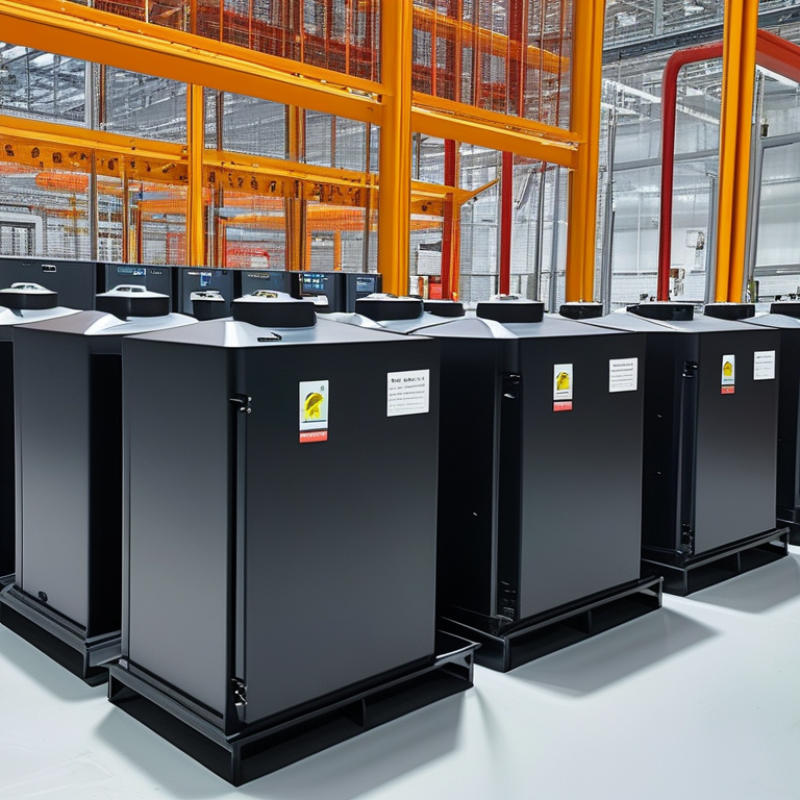
A custom lithium battery OEM supplier does more than assemble cells inside a box. It translates a device’s voltage, current, space, temperature, and charging demands into a tested battery system. In production reviews, engineers often check cell matching, battery management software, thermal paths, enclosure strength, and traceability records. A specification can still be wrong.
The market data shows why this work matters. The International Energy Agency reported that global electric vehicle battery demand exceeded 750 GWh in 2023, rising about 40% from the previous year. BloombergNEF’s 2024 Battery Price Survey recorded an average lithium-ion pack price of 115 dollars per kWh. Lower prices do not remove engineering risks. They may increase pressure to cut validation time.
A capable OEM supplier should provide design verification, prototype samples, abuse testing, capacity reports, and production quality controls. Ask how it handles cell substitutions, firmware changes, and unexpected heat during fast charging. Ask why. A serious supplier can explain test limits, failure records, and corrective actions without hiding behind sales language. For a Battery Lithium project, compliance planning should cover transport, recycling, and regional safety requirements before mass production. I would also inspect pilot units personally; documents alone can miss loose connectors, uneven welds, or an enclosure that flexes under pressure. The process is not perfect. That is precisely why transparent testing matters.
Custom lithium battery solutions serve industries where standard packs cannot meet demanding space, power, or safety requirements. Medical equipment may need stable output during long procedures, while robotics often requires lightweight packs with rapid charging. Electric mobility, warehouse automation, marine electronics, and backup energy systems also need carefully matched battery designs. Each application has different voltage ranges, operating temperatures, enclosure limits, and maintenance expectations.
Tips: Share real operating data with the battery supplier. Include peak current, daily cycles, charging time, storage conditions, and available installation space. Ask for cell traceability, protection settings, thermal testing, and documented quality controls. A practical prototype can reveal problems that drawings miss.
Industrial devices may work outdoors at freezing temperatures, in dusty workshops, or beside vibration-producing motors. Custom engineering can improve runtime, balance weight, and reduce unnecessary capacity. However, more capacity is not always better; it may increase heat, cost, and charging stress. Experienced suppliers should evaluate battery chemistry, battery management software, mechanical protection, and transport requirements together. Testing should include abuse prevention, cycle aging, electromagnetic compatibility, and fault response. A perfect design rarely exists. Even experienced teams may underestimate cold-weather performance or connector wear. Honest review after field trials keeps the final battery safer and more dependable.
Choosing a custom lithium battery OEM supplier requires more than comparing cell prices. Engineering capability should be tested through evidence, not presentation slides. BloombergNEF’s 2023 Battery Price Survey reported an average lithium-ion pack price of $139 per kWh, down 14% year over year. Lower prices are useful, but they can hide weak validation or limited customization.
Ask the supplier to explain its design process from load analysis to pilot production. Strong teams model thermal behavior, select cells by application, and design battery management systems around real operating conditions. Request test records for vibration, overcharge protection, short-circuit response, temperature cycling, and capacity retention. The IEA’s Global EV Outlook 2024 reported that electric vehicle battery demand exceeded 750 GWh in 2023. That scale makes quality systems and traceability increasingly important. A polished sample can still hide weak production discipline. I would inspect the factory process, not only the prototype.
Tips: Provide your actual duty cycle, peak current, charging environment, enclosure limits, and expected service life. Ask for design-change control, failure-analysis reports, and independent test results. Check whether engineers can explain thermal margins without vague language. ISO 9001-based processes are helpful, but certification alone is not proof of engineering depth. Review field data when available. It may be incomplete, and that matters. A supplier that admits design limits often appears more reliable than one promising perfect performance.
When selecting a custom Lithium Battery OEM supplier in 2026, review manufacturing controls before comparing prices. The supplier should operate under ISO 9001 quality management, with documented procedures for cell inspection, welding, assembly, and final testing. ISO 14001 can also indicate stronger environmental management. However, certification scope matters. A certificate for one factory may not cover another production site.
Product safety testing should match the battery chemistry, structure, and destination market. Common references include IEC 62133-2 for portable lithium cells and batteries, UN 38.3 for transport testing, and relevant regional safety requirements. Some applications may also require standards for battery packs, equipment integration, or electrical protection. Ask for current test reports, not only certificate numbers. Check the model, cell type, capacity, laboratory, and issue date.
Look closely at traceability. Each batch should link cells, weld parameters, firmware, inspection records, and shipment data. Suppliers should test overcharge protection, short-circuit response, temperature behavior, insulation, capacity, and aging performance. Ask how they handle rejected cells. Do they isolate them immediately? Do they record corrective actions? In factory audits, small details matter, such as calibrated torque tools and clean connector storage. A supplier may meet formal standards yet still lack consistent process discipline. That gap deserves careful questioning.
Choosing the 2026 best custom lithium battery OEM supplier requires more than comparing quotations. Safety should begin with cell traceability, thermal management, and documented protection testing. Ask for UN 38.3 transport records, IEC 62133-2 evidence, and abuse-test results. A reliable factory should explain what happens after a failed cell test. IEA’s Global EV Outlook 2024 reported global electric vehicle battery demand above 750 GWh in 2023. That scale increases pressure on quality systems, not only production speed.
Quality comparisons need measurable proof. Review incoming inspection rates, capacity consistency, cycle-life testing, and battery management system calibration. Request sample data from multiple production lots. A New Lithium Battery may perform well in a laboratory sample but vary during mass production. Check whether the supplier uses automated welding, barcode traceability, and environmental controls. The battery should still meet its specifications after storage and transport. Small details matter.
Pricing requires a complete cost model. BloombergNEF’s 2024 Battery Price Survey placed the average lithium-ion pack price at 115 dollars per kWh, down 20% year on year. Custom designs may cost more because of tooling, certification, firmware, and low-volume production. Capacity claims also need verification. Ask for monthly output, current utilization, lead times, and backup lines. A factory showing impressive equipment may still lack trained operators. That is easy to miss. Personally, I would audit one finished batch, inspect rejected units, and compare promised capacity with shipment records before signing a long-term agreement.
In 2026, the strongest custom lithium battery OEM suppliers stand out through disciplined engineering, not attractive catalogs. They begin with the application. Voltage, current, enclosure size, operating temperature, and charging habits must be documented clearly. A supplier that asks detailed questions usually understands real-world battery risks.
For a 5kw Lithium Battery project, technical evidence matters. The supplier should explain cell selection, battery management system settings, thermal control, and protection against overcurrent or overcharging. Ask for sample test data, including capacity at different temperatures and repeated charge cycles. Factory audits can reveal useful details, such as clean assembly areas, calibrated tools, and traceable production records. Small details matter.
Reliable OEM partners also provide engineering support after the prototype arrives. They should help review wiring, mounting points, connectors, and communication protocols. Safety testing and required market certifications must match the destination country. Production capacity deserves equal attention. A supplier may build an excellent sample yet struggle with consistent volume. I have seen timelines change when custom housings required new tooling. That risk is easy to underestimate. Clear drawings, inspection standards, and written change-control procedures reduce confusion. Still, no supplier is perfect. Buyers should question optimistic promises, compare measured results, and leave room for design revisions before final production.
It converts voltage, current, space, temperature, and charging requirements into a tested battery system. It should manage cells, software, thermal paths, enclosure strength, and traceability. A specification can still be wrong. Ask for evidence.
Look for ISO 9001 controls covering cell inspection, welding, assembly, and final testing. ISO 14001 may indicate stronger environmental management. Certificate scope matters. One site may not cover another factory.
Request current reports for IEC 62133-2, UN 38.3, and applicable regional requirements. Verify the model, chemistry, capacity, laboratory, and issue date. Do not accept certificate numbers alone. That shortcut fails.
Each batch should connect cells, weld settings, firmware, inspections, and shipment records. Barcode labels help investigators locate missing or defective units. Ask how rejected cells are isolated and documented. Messy records are a warning.
Ask about overcharge protection, short-circuit response, insulation, temperature behavior, and aging performance. Request abuse-test results and clear failure limits. The supplier should explain corrective actions after failures. Testing should resemble actual use.
Compare capacity consistency, cycle-life results, protection testing, and software calibration across several production lots. A prototype can perform well while mass production varies. Inspect connectors, welds, and insulation yourself. Documents can miss physical defects.
Compare total cost, not only the quoted battery price. Include tooling, testing, firmware, certification, packaging, and low-volume production. Custom work often costs more. Cheap can become expensive.
Request monthly output, current utilization, lead times, and backup production lines. Ask whether trained operators cover every shift. Large equipment does not guarantee stable production. That is easy to miss.
Inspect pilot units and one finished batch personally. Look for loose connectors, uneven welds, flexing enclosures, and heat marks after charging. Review rejected units and corrective actions. I would not trust paperwork alone.
Choosing the right Custom Lithium Battery Oem supplier in 2026 requires more than comparing product prices. A qualified partner should provide complete support from battery concept, cell selection, electrical design, thermal management, and mechanical integration to prototyping and mass production. These solutions serve industries such as medical equipment, energy storage, robotics, transportation, industrial tools, and portable electronics, where reliable performance and application-specific design are essential.
When evaluating suppliers, businesses should examine engineering experience, testing capabilities, quality control systems, production capacity, and communication efficiency. Suppliers should follow recognized manufacturing standards and maintain relevant safety, quality, and environmental certifications for their target markets. A thorough comparison should include battery life, protection features, consistency, delivery reliability, customization flexibility, pricing transparency, and after-sales support. The strongest suppliers in 2026 will be those that combine advanced design expertise, stable manufacturing, strict safety management, scalable production, and a long-term commitment to dependable customer collaboration.