Ukraine’s Energy System really needs storage solutions that are tough, reliable, and properly sized to handle real-world conditions. In this guide, we look at seven top options forSolar LithiumBank Bulk Ukraine buyers. We focus on things like the chemistry of lithium Iron Phosphate, usable capacity, how many cycles they can handle, thermal protections, warranty details, and local technical support. These aspects matter a lot—especially when winter hits hard, outages linger longer, and you need to plan carefully for replacement parts.
The International Energy Agency mentioned that, globally, battery storage capacity added up to nearly 42 GW in 2023. Meanwhile, BloombergNEF reported that the prices for lithium-ion battery packs dropped sharply, averaging around $115 per kWh in 2024. That shows the market is really maturing. But hey, just because the numbers look good doesn’t mean the batteries will perform reliably out in the field. How they’re installed makes a huge difference—something folks often forget.
Dr. Imre Gyuk, a well-respected expert on energy storage at the U.S. Department of Energy, once said, “Energy storage is the key to making renewable energy truly reliable.” That pretty much sums up why Solar Lithium systems are so essential: they store midday solar power for evening use, provide backup power, and help stabilize the grid during rough patches. So, when we compare these batteries, we’re not just looking at capacity—we want to check out their battery management systems, inverter compatibility, enclosure ratings, how easy it is to transport them, and what kind of after-sales support you can expect.
Now, no ranking is perfect. Sometimes, supplier data can be a bit all over the place. For example, some of those impressive cycle life claims are based on ideal conditions—like perfect temperatures and shallow discharges—which isn’t always realistic. Buyers really need to verify testing conditions, certifications, guarantees for degradation, and whether the support services are ready for Ukraine’s needs before placing any large orders. Think of this review as a helpful starting point—it’s not a substitute for on-site engineering or a proper independent technical check, so don’t skip that step.
What Solar Lithium Banks Are and Why They Suit Ukrainian Buyers
Lithium Solar banks are rechargeable energy storage systems designed to collect electricity from photovoltaic panels and release it when needed. They usually combine lithium battery cells, a battery management system, an inverter, and protective housing. Unlike basic lead-acid units, they store more energy in a smaller footprint and support deeper, more frequent cycling. For Ukrainian bulk buyers, that difference matters in homes, workshops, farms, and small commercial sites with unstable grid access.
Winter conditions require careful purchasing. A bank installed in an unheated garage may lose charging performance below freezing. Buyers should check the manufacturer’s low-temperature protection, operating range, usable capacity, and warranty terms. A reliable BMS should prevent overcharging, overheating, excessive discharge, and cell imbalance. Ask for test reports and traceable documentation. Do not rely only on impressive capacity figures.
Installation experience also exposes practical details. A 10 kWh unit can support lights, routers, refrigeration, and selected tools, but not every appliance at once. Cable size, inverter compatibility, ventilation, and fire-safe placement deserve equal attention. Bulk orders should include spare fuses, monitoring access, clear manuals, and responsive technical support. Lithium Solar systems are efficient, but they are not maintenance-free. I have seen buyers focus on price and overlook cold-weather charging limits. That mistake can become expensive during a January outage.
Seven Leading Solar Lithium Bank Options for the Ukrainian Market
For Ukrainian bulk buyers, seven leading solar lithium bank options deserve careful comparison.
These include wall-mounted LiFePO4 units, rack-mounted systems, high-voltage modular banks, portable backup batteries, commercial cabinet systems, cold-climate models, and hybrid storage units. Each option suits a different installation scale. A small clinic may need compact wall storage, while a warehouse could require several rack modules with parallel communication.
Battery Solar Lithium
systems should support dependable daily cycling, clear monitoring, and safe thermal management. LiFePO4 chemistry is widely preferred for its stability and long service life. Buyers should verify usable capacity, inverter compatibility, warranty terms, and replacement-cell availability. In Ukraine, winter temperatures matter. A battery installed in an unheated garage may need insulation or controlled charging protection. This detail is often underestimated.
Bulk purchasing also requires practical checks. Ask for test reports, transport packaging, serial tracking, and documented quality controls. Confirm whether local technicians can diagnose faults without returning every unit abroad. Some low-cost systems look attractive on paper but provide limited data during outages. That can delay maintenance. No option is perfect. A higher-capacity bank may increase shipping weight, installation time, and upfront cost. Pilot testing several units before a large order is wiser than trusting a spreadsheet alone.
Pricing, Import Factors, and Supplier Support for Bulk Buyers
For bulk buyers in Ukraine, the seven strongest solar lithium bank formats are 48V rack batteries, wall-mounted units, high-voltage stacks, inverter-ready modules, outdoor cabinets, containerized systems, and telecom-style backup banks. Lithium iron phosphate chemistry usually suits solar projects because it offers strong thermal stability and long cycle life. BloombergNEF’s 2024 Battery Price Survey reported an average lithium-ion pack price of 115 USD per kWh, but this is not a landed Ukrainian price. Shipping, insurance, customs handling, integration, and warranty reserves can change the final figure significantly.
Compare offers by usable kWh, cycle warranty, peak power, and cost per delivered kWh. Ask suppliers for a clear commercial invoice, packing list, safety data sheet, UN 38.3 test summary, and applicable IEC test evidence. Import classification should be checked with a Ukrainian customs broker, especially when batteries arrive with inverters or cabinets. Winter performance matters. Storage below recommended temperatures can reduce charging capability, so heated enclosures may be necessary. Route planning also deserves attention, because border delays can affect project schedules and insurance terms.
Supplier support separates a dependable bank from an attractive spreadsheet. Require remote monitoring, CAN or RS485 compatibility, replacement modules, firmware procedures, and response times in writing. IRENA’s storage cost research shows that battery economics have improved sharply, yet installation and financing still influence total project value. Cheap capacity can become expensive after one failed module. That risk is easy to underestimate. A practical pilot shipment may reveal communication faults, connector differences, or unclear warranty limits before a larger purchase. Quotes should be compared repeatedly, not accepted after one call.
7 Best Solar Lithium Banks for Bulk Buyers in Ukraine
Indicative pricing, import factors, and supplier support considerations
Indicative bulk FOB price ranges for LFP solar storage banks are shown by nominal capacity. Larger systems generally achieve lower cost per kWh, while Ukrainian buyers should separately verify freight, customs treatment, 20% VAT exposure where applicable, certification, warranty coverage, replacement-part availability, and technical support before placing a bulk order. Values are planning benchmarks rather than supplier quotations.
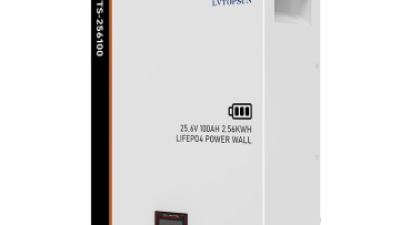
China LVTS-256100 Residential PV Storage: IEA Renewables 2024 & BloombergNEF New Energy Outlook Insights
China LVTS-256100 Residential PV Storage is designed for households seeking a practical way to improve solar energy use and reduce dependence on grid electricity. As renewable power continues to expand worldwide, residential energy storage is becoming increasingly important for balancing daytime generation with evening demand. Built around a 25.6V, 100Ah configuration, this storage solution can support solar self-consumption, backup power, and flexible household energy management when properly integrated with compatible inverters and safety systems.
Sourced directly from trusted China suppliers, our premium product line is manufactured in a factory committed to consistent quality, careful assembly, and responsible production practices. The LVTS-256100 is suitable for retailers, wholesalers, installers, and clean-energy distributors looking for dependable residential storage equipment with practical performance and scalable application potential. Each unit is produced with attention to reliability, efficient operation, and long-term usability, helping partners offer energy products that align with the growing demand for distributed solar solutions and lower-carbon living.
Conclusion
This guide explains why solar lithium banks are well suited to Ukrainian homes, businesses, farms, and backup-power projects that need reliable energy storage. It outlines the main factors bulk buyers should compare, including usable capacity, lithium chemistry, cycle life, charging performance, safety systems, operating temperature range, warranty coverage, and compatibility with solar inverters. The review also presents seven practical categories of solar lithium bank solutions for the Ukrainian market without focusing on specific brands.
For buyers searching for Solar Lithium Bank Bulk Ukraine, the article emphasizes matching battery design to local climate conditions, grid instability, installation space, and expected daily loads. It also discusses how to evaluate total ownership cost rather than relying only on unit price, taking into account shipping, customs procedures, documentation, storage, technical support, replacement parts, and installer training. Careful supplier screening and clear after-sales agreements can help bulk purchasers secure dependable systems, predictable performance, and long-term value across residential, commercial, and agricultural applications.