Leave Your Message
Inquiry Type
0%

Southeast Asia is really starting to become a big deal when it comes to solar power and battery storage. According to the International Energy Agency's Southeast Asia Energy Outlook 2024, the region’s electricity demand is expected to grow by about 4% each year all the way through 2035. Solar energy is going to play a huge role—powering factories, commercial spaces, islands, and even remote communities. And as you might guess, storage is becoming downright essential, especially when clouds roll in or in the evening when everyone craves extra power.

This guide takes a close look at different Solar Panel Battery Manufacturers in Southeast Asia, based on practical factors like cell chemistry, usable capacity, cycle life, thermal management, warranty details, certifications, and whether they offer local support. Fun fact: BloombergNEF mentioned that in 2024, the average price for lithium-ion battery packs dipped to around USD 115 per kilowatt-hour. Which is great news because it makes solar projects more affordable. But let’s be real — just looking at the price isn’t enough to tell if a system is reliable. You still need to make sure your Battery System works well with the right inverters, that it’s installed safely, and that the company offers solid after-sales support.

Some big names you’ll hear a lot about include BYD, Sungrow, Huawei, Trina Solar, JinkoSolar, and LONGi. They all have different strategies—some make batteries in-house, while others combine third-party cells into complete energy storage setups. It’s a detail that’s easy to overlook but pretty important. Both the International Renewable Energy Agency and the ASEAN Centre for Energy stress the need for grid flexibility, resilient supply chains, and high-quality standards as renewable projects ramp up.

Keep in mind, this ranking isn’t set in stone. The data you get can vary a lot between countries, and claims from manufacturers should always be checked independently. When shopping around, look for things like IEC certifications, fire safety tests, guarantees on degradation, and how well they perform in tropical weather. Humidity plays a role, but heat is even more critical. And just because a brand is famous globally doesn’t always mean they’ll give the best local support. The key is careful comparison—finding suppliers who really offer dependable value, not just flashy specs.
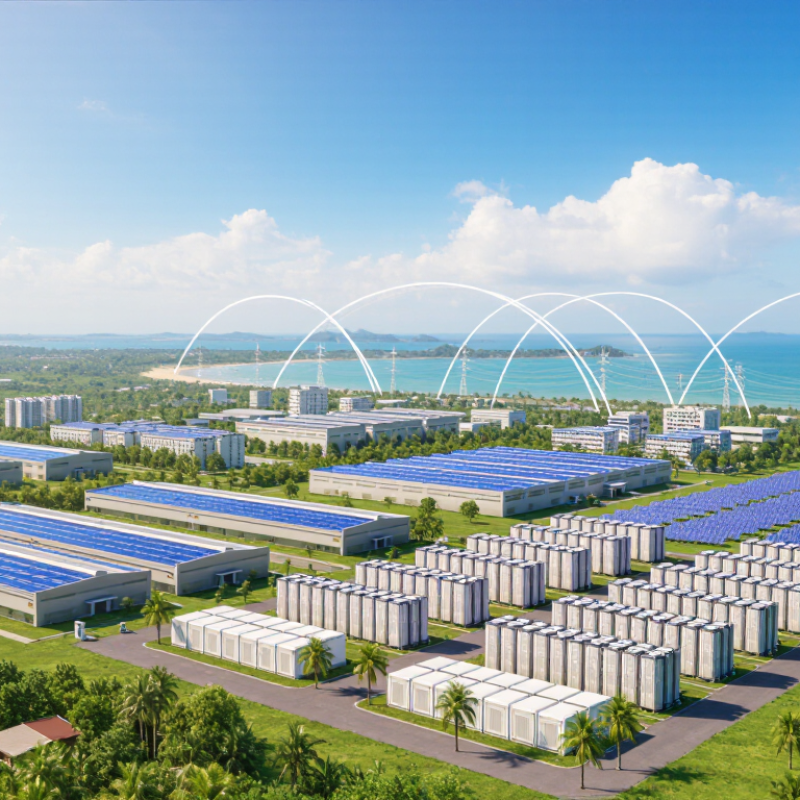
Top Solar Panel Battery Manufacturers in Southeast Asia

Solar Panel Battery Manufacturing in Southeast Asia: An Overview

Southeast Asia is becoming an important hub for solar panel battery manufacturing. The region offers strong solar resources, expanding energy demand, and established electronics supply chains. Factories are appearing near ports, industrial parks, and growing renewable energy projects. These locations reduce transport time for cells, inverters, cabinets, and replacement parts.

Manufacturing usually begins with cell inspection, module assembly, battery management system integration, and enclosure testing. A Lithium Solar Panel Battery must handle heat, humidity, dust, and frequent charging cycles. Engineers often use thermal sensors, fire-resistant materials, and software that balances individual cells. Production teams also test voltage consistency, insulation, capacity, and communication performance before shipment. Small errors matter. A loose connection can reduce efficiency or create costly service problems.

Local conditions influence factory design. Coastal facilities may require stronger corrosion protection, while inland plants need careful temperature control. Workers must follow documented procedures and maintain traceable quality records. Independent testing can improve confidence, especially for residential and commercial installations. However, manufacturing quality is not always uniform across the region. Some facilities still depend heavily on imported components and limited testing equipment. This creates delays when supply chains become unstable. Practical experience shows that reliable production needs trained technicians, repeatable inspections, and honest reporting of failed units. Capacity is growing, but technical consistency remains an issue worth examining.

Key Factors for Comparing Regional Battery Manufacturers

Top Solar Panel Battery Manufacturers in Southeast Asia

Comparing regional battery manufacturers requires more than reading capacity figures. A Solar Panel Lithium Battery should match local heat, humidity, and daily energy demand. Check usable capacity, not only the advertised rating. Round-trip efficiency also matters because energy losses increase operating costs. Numbers can mislead.

Examine cycle-life testing and degradation assumptions under Southeast Asian temperatures. Ask whether testing reflects frequent charging at 30°C or higher. A strong battery management system should monitor cell voltage, temperature, and charging limits. Request independent test reports, safety certifications, and clear warranty conditions. The warranty should explain capacity retention, replacement terms, and response times.

Installation support can separate a dependable supplier from a cheap one. Compare technician training, spare-part availability, remote monitoring, and documented maintenance procedures. Local service teams may resolve faults faster during storms or grid interruptions. Review delivery records and project references with similar system sizes. Ask for evidence.

Salt air near coastlines can accelerate corrosion, so enclosure ratings deserve attention. In agricultural areas, dust and unstable grid conditions may require different protection strategies. I would also compare battery chemistry, fire protection, inverter compatibility, and recycling arrangements. A low price may hide weak after-sales support or unrealistic performance claims. That deserves careful reflection.

Leading Solar Battery Manufacturers Across Southeast Asian Markets

Southeast Asian solar battery manufacturers are adapting products to hotter, wetter, and less predictable operating conditions. The IEA’s Southeast Asia Energy Outlook 2024 projects regional electricity demand to grow by about 4% annually through 2035. That growth increases interest in household storage, commercial backup systems, and remote microgrids.

Local manufacturing priorities are becoming clearer. Lithium Iron Phosphate cells, sealed enclosures, and temperature-aware battery management systems suit humid coastal environments. A15kwh Solar Battery Lithium Battery can support evening household loads, but its real value depends on inverter compatibility and daily cycling. BloombergNEF reported that average lithium-ion battery pack prices fell to 115 US dollars per kWh in 2024. Lower costs help, though installation and replacement planning remain easy to underestimate.

Across Southeast Asian markets, reliable manufacturers document capacity testing, thermal protection, warranty conditions, and regional service coverage. The ASEAN Centre for Energy’s regional outlook highlights the importance of grid flexibility as renewable generation expands. That makes monitoring software increasingly important, especially where voltage quality changes during storms. Field experience suggests that oversized systems often perform inefficiently in smaller homes. That assumption is too neat. Dust, salt air, limited ventilation, and irregular maintenance can reduce expected output. Buyers should compare measured cycle performance, safety certifications, and after-sales response times rather than relying only on advertised capacity.

Battery Technologies Used in Southeast Asian Solar Energy Systems

In Southeast Asia, battery technology often determines whether solar power feels dependable or frustrating.

Hot climates, salt air, monsoon rain, and uneven grids create demanding storage conditions. Lithium iron phosphate batteries are increasingly practical because they offer stable thermal performance, long cycle life, and useful depth of discharge. Their enclosed cabinets can support homes, clinics, farms, and small businesses during evening demand or outages. Still, installation quality matters as much as chemistry. Poor ventilation, weak cable protection, or incorrect settings can shorten service life.

Tips: Match the battery to the solar array, daily load, and local weather. Ask for tested protection against overcharge, overheating, short circuits, and deep discharge. In coastal areas, inspect seals and terminals regularly. For remote sites, choose systems with clear monitoring and serviceable components. Do not size storage from panel capacity alone. Measure nighttime consumption first. A household may need less energy than expected, while a rice mill may need strong surge power.

Lead-acid batteries remain relevant where upfront cost, repair familiarity, and recycling channels influence purchasing decisions. However, they are heavier and usually require more maintenance. Some projects combine lithium storage with smart inverters for automatic charge control and backup prioritization. Sodium-ion technology is attracting attention, though local availability and field data remain limited. That uncertainty deserves honest discussion. Solar And Battery systems should be judged through measured efficiency, warranty terms, safety records, and installer competence, not attractive capacity figures alone. Field performance can differ from the brochure.

Manufacturing Standards, Certifications, and Quality Control

In Southeast Asia, serious solar battery manufacturers should demonstrate more than attractive capacity figures. The International Energy Agency reported global battery demand above 750 GWh in 2023, increasing pressure on factories to control safety, consistency, and traceability. Buyers should request ISO 9001 quality systems and documented testing against IEC 62619 or IEC 63056, depending on the battery application. These standards examine electrical, thermal, and mechanical risks.

Factory evidence matters more than polished brochures. A credible producer records cell batches, welding temperatures, insulation checks, and battery management system calibration. Independent laboratory reports should confirm capacity, cycle performance, thermal protection, and abnormal-condition testing. UN 38.3 documentation is also important when batteries move through international supply chains. Certification alone is not enough. A certificate may cover one model, not every revised product.

The International Renewable Energy Agency’s Renewable Capacity Statistics 2024 shows Asia remained the largest contributor to new renewable capacity additions. That growth raises the cost of weak quality control. Buyers should inspect incoming-cell sampling, end-of-line testing, and failure-return analysis. Traceability matters. Small errors spread. Some factories still rely heavily on manual inspection, which can create uneven results across shifts. That weakness deserves honest disclosure, not optimistic wording. Regular surveillance audits, thermal imaging, random destructive testing, and clearly defined warranty data offer stronger evidence than a single compliance document.

Solar Panel & Battery Manufacturing Standards in Southeast Asia

Selected international standards commonly used to evaluate product safety, quality management, environmental management, occupational safety, and lithium-battery manufacturing controls. The chart shows the publication year of the referenced edition.

Reference standards: IEC 61215 for photovoltaic module design qualification, IEC 61730 for photovoltaic module safety, ISO 9001 for quality management, ISO 14001 for environmental management, ISO 45001 for occupational health and safety, and IEC 62619 for industrial lithium secondary-cell and battery safety.

Market Trends Shaping the Region’s Solar Battery Industry

Southeast Asia’s solar battery industry is moving from pilot projects toward practical energy management. Rising electricity prices and unstable grids are increasing demand for storage. Households want backup power during evening outages. Commercial sites need batteries to reduce diesel use and peak-demand charges. In coastal areas, installers often recommend sealed systems because humidity quickly damages poorly protected equipment.

Lithium iron phosphate batteries are gaining attention because they offer strong cycle life and stable thermal performance. However, chemistry is only one part of the decision. Buyers increasingly examine usable capacity, warranty conditions, monitoring software, and local maintenance support. Hybrid inverters are also becoming more common. They can coordinate rooftop solar, battery charging, and grid power without constant manual control. Smaller systems are popular in island communities, where fuel deliveries can be expensive and unpredictable.

The market still has weaknesses. Skilled technicians are not available evenly across the region. Some projects receive impressive performance estimates but lack detailed heat-loss calculations. That gap deserves more scrutiny. Battery output can fall in hot, poorly ventilated rooms. Salt air creates another risk near coastlines. Developers are therefore testing shaded enclosures, remote diagnostics, and modular storage designs. Financing models are changing too, with leasing and pay-as-you-save plans lowering upfront costs. Yet unclear recycling procedures and inconsistent installation standards remain serious concerns. Buyers should request measured load profiles, not rely only on sales projections. Real usage is often messier.

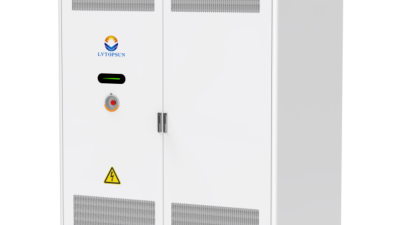
China LVTOPSUN LVTSG-125k Liquid-Cooling ESS: 125kW/261kWh Battery Storage Guide

As global power systems incorporate more solar and wind generation, flexible battery storage is becoming essential for balancing demand, reducing peak-grid pressure, and improving energy resilience. The International Energy Agency’s *Batteries and Secure Energy Transitions* report (2024) indicates that global battery storage capacity must expand substantially this decade to support renewable-energy growth and electricity-system flexibility. Designed for commercial and industrial applications, a 125kW/261kWh liquid-cooling energy storage system provides a practical combination of continuous power and substantial reserve capacity for peak shaving, renewable-energy self-consumption, and backup operations.

The system uses a high-capacity lithium iron phosphate (LFP) battery, a chemistry widely valued for its thermal stability, long cycle life, and suitability for stationary storage. Intelligent liquid cooling helps maintain more consistent cell temperatures, supporting dependable operation across changing loads and ambient conditions. Integrated fire-suppression equipment adds another layer of protection, while industrial-grade enclosure protection supports installation in demanding environments. Its Ethernet, Wi-Fi, and 4G communication interfaces enable remote monitoring, operating-status analysis, and connection with energy-management platforms.

For businesses evaluating storage equipment from a China-based factory supplier, localized technical assistance and an international service network can simplify commissioning, maintenance, and lifecycle support. The 125kW/261kWh configuration is particularly suited to facilities seeking controllable energy capacity without the footprint and complexity of a large utility-scale installation.

FAQS

What should buyers compare when choosing a regional solar battery manufacturer?

Compare usable capacity, efficiency, cycle life, warranty terms, safety records, and local service support. Numbers can mislead. Check real project evidence, not only advertised ratings.

Why do Southeast Asian climates affect battery selection?

Heat, humidity, salt air, monsoon rain, and dust can reduce battery performance. Ask for testing at temperatures around 30°C or higher. Coastal systems need sealed enclosures and corrosion-resistant terminals.

Which battery chemistry suits homes and small businesses?

Lithium iron phosphate batteries offer stable thermal performance and long cycle life. They can support homes, clinics, farms, and small businesses. Installation quality still matters greatly.

Are lead-acid batteries still practical?

They remain useful when low upfront cost and familiar repairs matter. However, they are heavier and usually need more maintenance. Recycling access should influence the decision.

How should buyers calculate the required battery size?

Measure nighttime electricity use before choosing storage capacity. Do not size the battery from solar panel capacity alone. A rice mill may need strong surge power, while a home may need less.

What safety features should a solar battery include?

Look for protection against overcharging, overheating, short circuits, and deep discharge. The battery management system should monitor voltage, temperature, and charging limits. Request independent safety reports when available.

Why is installation and maintenance support important?

Trained technicians can resolve faults faster during storms or grid interruptions. Compare spare parts, remote monitoring, maintenance procedures, and response times. Weak support may turn a low price into a costly problem.

What warranty details should buyers examine?

The warranty should state capacity retention, replacement conditions, coverage limits, and response times. Ask how performance is measured under local heat. A vague warranty deserves caution.

What market risks should buyers consider?

Technician skills vary widely across the region. Some performance estimates lack detailed heat-loss calculations. Recycling procedures and installation standards may also be inconsistent. That uncertainty deserves honest discussion.

How can buyers verify a supplier’s claims?

Request independent test reports, measured load profiles, delivery records, and similar project references. Review actual efficiency rather than brochure capacity. Field performance can differ.

Conclusion

Southeast Asia is becoming an important hub for solar panel battery manufacturing, supported by growing renewable energy demand, expanding electricity access, and government incentives. This overview explains how to compare a Solar Panel Battery Manufacturer Southeast Asia by evaluating production capacity, battery lifespan, energy efficiency, safety features, warranty support, customization options, and regional service capabilities. It also examines the leading manufacturing markets across the region without focusing on individual brands.

The article reviews battery technologies used in residential, commercial, and off-grid solar systems, including lithium-based and other storage solutions suited to tropical climates. Manufacturing standards, certifications, testing procedures, thermal management, and quality control are essential for ensuring reliable performance and safe operation. Finally, the discussion highlights market trends such as falling storage costs, smart energy management, hybrid solar systems, local supply-chain development, and increasing demand for dependable energy storage in both urban and remote communities.
Liam

Liam

Liam is a dedicated marketing professional at Guangdong LVTOPSUN New Energy Co., Ltd., a leading enterprise established in 2008, specializing in innovative energy storage solutions. With a strong background in energy storage lithium batteries, Liam possesses an exceptional level of expertise......
Previous 7 Best Solar Lithium Banks for Bulk Buyers in Ukraine?