
Ukraine’s energy market is heading into what you might call a demanding storage decade. Repeated attacks have really exposed the limits of centralized generation, and solar and wind projects need flexible balancing capacity to keep things steady. The International Energy Agency says global battery storage additions reached about 42 GW in 2023—nearly triple the year before. Its Batteries and Secure Energy Transitions report also expects storage deployment to ramp up sharply before 2030.
Ukraine’s needs are actually a lot more specific than what you’d see in global averages. In practice, a system might need to keep hospitals, factories, telecom sites, or even a small solar plant running when the grid goes down. And it has to handle cold winters, shaky networks, cybersecurity risks, plus maintenance access that isn’t always easy. The Energy Community’s market assessments point to Ukraine’s ongoing power-system integration and the resilience challenges it still faces. Honestly, in conditions like these, local engineering, spare-parts planning, and commissioning experience end up mattering just as much as battery capacity.
So, this 2026 guide takes a look at some of the top contenders for the Energy Storage System Supplier Ukraine title. We go through the things that actually matter — lithium-ion safety, inverter quality, how transparent the warranty really is, project references, grid compatibility, how strong their financing is, and after-sales support. You might see big international names like Fluence, Sungrow, Huawei Digital Power, BYD, and Tesla sitting alongside qualified regional integrators. But here’s the thing: a famous brand doesn’t automatically mean it’s the best pick. Without reliable service behind it, even a big name can let you down.
So, think of this ranking as a procurement framework — not some permanent verdict. Public data is still pretty uneven, and conditions for projects in Ukraine can shift fast. Yeah, that's uncomfortable, but it matters. Before signing any contracts, readers should check certifications, delivery timelines, fire-protection design, and local support. And remember: a good Energy Storage System has to perform beyond the brochure — especially when the grid doesn't cooperate.
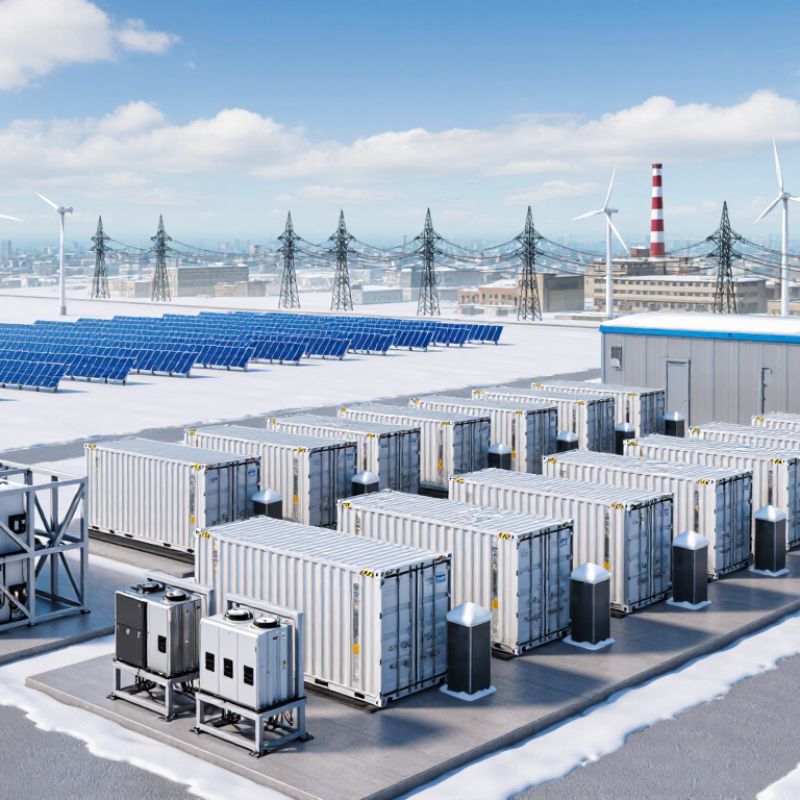
Ukraine’s 2026 energy storage outlook will focus on resilience, not only capacity growth. The strongest suppliers will offer modular batteries, rapid installation, and dependable local maintenance. Systems must support microgrids, backup power, and renewable integration during grid instability. The IEA’s Batteries and Secure Energy Transitions report estimates that global battery storage must reach 1,200 GW by 2030 under its net-zero pathway. Ukraine’s reconstruction needs will make flexible storage especially valuable.
A 2026 project should measure more than battery size. Buyers need round-trip efficiency, cycle life, thermal protection, inverter compatibility, and clear warranty conditions. The Energy Community’s recent Ukraine assessments repeatedly highlight infrastructure damage and balancing challenges. These conditions increase the value of fast-response systems near hospitals, factories, logistics hubs, and critical municipal facilities. Yet forecasts remain fragile. Connection timelines, import costs, and regional security conditions can change quickly. A neat national market figure may mislead decision-makers.
Tips: Request tested performance data, not sales estimates. Check operation below freezing temperatures. Confirm spare-part access and technician response times. Ask whether the system supports black start, island operation, and Ukrainian grid requirements. Independent certification matters. IRENA’s Renewable Capacity Statistics also shows Ukraine’s renewable base remains substantial, creating future demand for storage alongside solar and wind. Still, battery projects should include conservative revenue assumptions. Frequency services may grow, but market rules and payment mechanisms are not fully predictable.
The 2026 outlook is expected to be driven by grid resilience, renewable-energy integration, frequency regulation, and backup power for critical infrastructure. The chart presents a planning scenario by application rather than company or brand data. Grid-scale systems are likely to remain the largest segment because of Ukraine’s need for balancing capacity and improved power-system flexibility.
Data shown as an indicative 2026 market-allocation scenario; percentages represent expected application shares of new energy-storage deployments.
In Ukraine’s 2026 energy storage market, supplier evaluation should begin with evidence, not impressive capacity figures. Ask for independently verified safety tests, usable capacity data, and performance records from cold-weather projects. Numbers need context. An Energy Storage System Battery should maintain stable output during winter temperature swings, frequent outages, and voltage changes. Review round-trip efficiency, degradation rates, fire protection, enclosure ratings, and compatibility with local grid requirements. Ask for evidence.
Supplier credibility also depends on transparent service terms. The warranty should state cycle limits, temperature conditions, response times, and replacement procedures. Avoid documents filled with broad promises. Inspect the warranty. A dependable supplier can explain how technicians handle alarms, software updates, spare parts, and emergency maintenance. Independent certifications and audited technical data strengthen confidence, but they do not replace local operating experience.
Buyers should calculate total ownership costs, including installation, grid integration, monitoring, insurance, and battery replacement. Request a site assessment with measured load profiles, not estimates copied from another project. Test the proposed control system before signing. Cybersecurity deserves attention, especially for remotely managed assets connected to critical infrastructure. Some evaluations may still miss noise, dust, or limited technician access at rural sites. That is a practical weakness worth acknowledging. A careful supplier should welcome these questions and document its assumptions clearly.
| Evaluation Dimension | Why It Matters in Ukraine | Objective Data or Benchmark | Evidence to Request from the Supplier | Suggested Weight |
|---|---|---|---|---|
| Grid Compatibility | The Ukrainian power system operates at 50 Hz and uses nominal low-voltage levels of 230/400 V. Ukraine and Moldova were synchronously connected to the Continental European power system on 16 March 2022. | The system should support 50 Hz operation, applicable Ukrainian electrical requirements, and the connection conditions specified by the local distribution or transmission operator. | Grid-code compliance statement, single-line diagram, protection settings, inverter certificates, and written confirmation of permitted operating modes. | 15% |
| Usable Energy Capacity | Usable capacity determines how long critical loads can operate during grid interruptions. It is more meaningful than nameplate battery capacity alone. | Compare guaranteed usable kWh at the specified operating temperature, state-of-charge window, power level, and end-of-life condition. | A capacity test report, usable-energy calculation, state-of-charge limits, auxiliary-load assumptions, and end-of-life capacity guarantee. | 12% |
| Power Rating and Backup Performance | Hospitals, telecommunications facilities, water systems, data centers, and industrial users may require both high short-term power and stable long-duration backup. | Assess continuous kW, short-duration overload capability, motor-starting performance, backup duration, and transfer time under the actual load profile. | Load study, time-sequenced test results, inverter overload curve, transfer-time specification, and black-start or islanding procedure where required. | 14% |
| Round-Trip Efficiency | Higher efficiency reduces electricity losses and operating costs, especially where the system performs frequent daily charge and discharge cycles. | Compare AC-to-AC efficiency at the same power level, state-of-charge range, ambient temperature, and auxiliary-load assumptions. Do not compare battery-cell efficiency with complete-system efficiency. | Independent performance test, defined measurement boundary, part-load efficiency curve, and annual auxiliary-consumption estimate. | 8% |
| Battery Safety and Thermal Management | Extreme weather, difficult access, and the need for uninterrupted service make thermal runaway prevention, detection, and containment essential. | The design should include battery-management protection, temperature monitoring, smoke or gas detection where applicable, fire separation, emergency shutdown, and a documented thermal-event response. | Cell and rack safety test reports, hazard analysis, fire-protection design, emergency-response plan, installation clearances, and maintenance procedures. | 16% |
| Operating Temperature and Enclosure Protection | Ukraine experiences cold winters, hot summers, snow, dust, and variable site conditions. HVAC energy use can materially affect system performance. | Evaluate the guaranteed operating-temperature range, heating and cooling requirements, humidity limits, corrosion protection, and enclosure ingress-protection rating. | Environmental test results, enclosure rating certificate, derating curves, HVAC power consumption, and site-specific climatic design calculations. | 8% |
| Cycling Life and Warranty | A storage system may be used for backup, peak shaving, renewable-energy shifting, frequency support, or several services at once. Warranty conditions must reflect the intended duty cycle. | Compare guaranteed energy throughput, calendar life, cycle count, retained capacity, operating state-of-charge range, and permissible annual cycles. | Product warranty, performance warranty, throughput limits, exclusions, degradation formula, replacement terms, and claims procedure applicable in Ukraine. | 12% |
| Control System and Cybersecurity | Remote monitoring improves maintenance and dispatch, but communications failures or unauthorized access can affect critical infrastructure. | The platform should provide role-based access, secure authentication, event logging, backup communications, software-update controls, and local fallback operation. | Cybersecurity architecture, data-hosting location, communication protocols, penetration-test summary, patch policy, user-access matrix, and offline operating procedure. | 8% |
| Installation, Commissioning, and Local Service | Fast access to qualified technicians and spare parts reduces downtime when logistics, travel, or infrastructure conditions are disrupted. | Assess response time, local engineering capability, spare-parts availability, commissioning scope, training, and preventive-maintenance coverage. | Service-level agreement, technician qualifications, response-time commitments, spare-parts list, commissioning checklist, and references for comparable projects. | 10% |
| Total Cost of Ownership | The lowest purchase price may not provide the lowest lifetime cost after installation, HVAC consumption, maintenance, replacements, losses, and disposal are included. | Compare total cost per usable kWh, lifecycle operating cost, annual service cost, expected replacement cost, efficiency losses, and end-of-life handling. | Itemized quotation, delivery and installation assumptions, energy-loss model, maintenance schedule, warranty costs, replacement pricing, and recycling or disposal plan. | 7% |
| Total Suggested Evaluation Weight | 100% | |||
Note: Final supplier selection should be based on a site-specific technical study, applicable Ukrainian connection requirements, verified test documentation, lifecycle cost analysis, and contractual guarantees.
Ukraine’s leading energy storage system suppliers are judged by field performance, not catalog size. Local EPCs, distributors, and international manufacturers now serve hospitals, factories, telecom sites, and residential microgrids. The strongest suppliers provide Energy Storage System Lithium Battery solutions with battery management, hybrid inverters, remote monitoring, and replacement support.
The International Energy Agency reported that global battery storage additions exceeded 40 GW in 2023, nearly doubling from the previous year. This growth influences Ukrainian procurement, but grid conditions remain unusual. Suppliers must design systems for voltage instability, emergency islanding, winter temperatures, and limited site access. A practical 2026 specification should include thermal protection, fire detection, IEC 62619 compliance, UN 38.3 transport testing, and documented commissioning procedures.
Reliability matters more than impressive capacity figures. The Energy Community’s Ukraine energy assessments repeatedly highlight infrastructure damage and the need for decentralized generation. A 500 kWh system may support a clinic, yet poor ventilation or weak after-sales service can reduce real-world value. Buyers should request tested round-trip efficiency, warranty response times, spare-parts locations, and independent safety certificates. Some proposals still exaggerate backup duration. That deserves scrutiny. Suppliers serving Ukraine should also train local technicians, provide Ukrainian-language operating instructions, and verify performance during repeated outages rather than relying only on laboratory data.
Ukraine’s energy storage market is expanding around resilience, self-consumption, and backup power. Available solutions range from residential batteries to containerized systems for businesses and utilities. Lithium Iron Phosphate batteries are widely considered for their thermal stability, long cycle life, and practical maintenance requirements. Nickel-manganese-cobalt batteries can offer higher energy density, but installation conditions require closer safety controls.
The system is more than a battery cabinet. It normally includes battery management software, a hybrid inverter, protection devices, monitoring equipment, and an energy management system. In homes, a 5–15 kWh unit can support lighting, communications, refrigeration, and essential heating controls. Commercial projects may need several hundred kilowatt-hours, especially where refrigeration, workshops, or water infrastructure must remain operational. Cold winter conditions also require heating or temperature management inside battery enclosures.
Site assessment remains critical. Engineers should review grid quality, roof strength, fire separation, cable routes, and emergency access before selecting capacity. Outdoor systems need suitable weather protection and controlled ventilation where applicable. Sodium-ion and flow battery technologies may attract attention for specific projects, yet their local availability, financing, and service support can vary. That matters.
A practical weakness is often overlooked: storage capacity does not guarantee long autonomy. Actual runtime depends on load peaks, inverter efficiency, reserve settings, and battery temperature. I would also question any proposal that promises simple payback without measured consumption data. Ukraine’s buyers benefit from suppliers that provide commissioning records, remote diagnostics, warranty terms, and trained local technicians. The details matter.
Ukraine’s 2026 Energy System market will need storage suppliers for four distinct applications.
Grid projects require modular battery systems, fast frequency response, and islanding controls. The IEA’s Batteries and Secure Energy Transitions report states that global battery storage capacity must reach 1,200 GW by 2030 under its net-zero pathway. Ukraine’s grid challenges make response speed and cybersecurity equally important.
Commercial facilities need daytime solar shifting, peak-demand control, and backup power for refrigeration, offices, and retail sites.
Industrial users require larger systems with strong thermal management, remote diagnostics, and safe integration with generators. A factory cannot tolerate a poorly tuned battery during a production cycle. The U.S. Department of Energy notes that storage can improve resilience, reduce demand charges, and support renewable integration. However, project savings depend heavily on tariffs and operating schedules.
Residential systems are smaller but highly visible. A typical household solution may combine rooftop solar, a wall-mounted battery, and automatic backup for lighting, routers, pumps, and heating controls. The World Bank’s Ukraine recovery assessments emphasize the need for decentralized and resilient energy infrastructure. Suppliers should therefore show verified cycle-life data, warranty terms, local service capacity, and clear fire-safety documentation. Price alone is not enough. My assessment remains cautious because Ukrainian market data changes quickly, while real-world performance often differs from laboratory claims.
Ukraine’s energy volatility makes a Solar Power Storage System a practical resilience investment. Procurement should begin with a measured load profile, not a guessed battery size. Record evening demand, motor starting currents, outage duration, and available roof or floor space. Suppliers should provide battery test records, warranty terms, monitoring access, spare-part timelines, and clear responsibility for commissioning. A low purchase price can hide difficult transport, weak documentation, or expensive replacement work.
Installation requires more than connecting batteries to an inverter. A qualified electrical team should inspect earthing, cable routes, ventilation, fire separation, and moisture protection. Cold winter conditions can reduce charging performance, so the system needs suitable temperature controls and an approved installation environment. Maintenance should include monthly alarm checks, terminal inspections, firmware review, and annual electrical testing. Keep service records with dates, readings, and corrective actions. I would not assume every supplier’s remote dashboard is accurate; verify important readings locally.
Tips: Ask for a site-specific single-line diagram before signing. Place visible warning labels near isolation points. Keep combustible materials away from battery cabinets. Train staff to recognize heat, swelling, unusual odor, and repeated alarms. Never open a battery enclosure without authorized technical support. Safety plans should follow applicable Ukrainian electrical and fire requirements, plus the equipment manufacturer’s instructions. No shortcut is worth a damaged cell or an avoidable outage.
Evaluate field performance, safety documents, warranty response, spare-parts access, and local technician support. Catalog size is not enough.
Choose voltage protection, emergency islanding, thermal control, fire detection, and remote monitoring. Winter readiness matters too.
Request IEC 62619 compliance, UN 38.3 transport testing, fire-safety records, and documented commissioning procedures. Check certificate validity carefully.
A 500 kWh system may support essential equipment, lighting, communications, and refrigeration. Poor ventilation can reduce practical performance.
Systems can shift daytime solar power, reduce peak demand, and protect refrigeration, offices, and retail equipment during outages.
Industrial systems need strong thermal management, remote diagnostics, and careful generator integration. A poorly tuned battery can interrupt production.
A typical setup combines rooftop solar, a wall-mounted battery, and automatic backup. It may power lights, routers, pumps, and heating controls.
Ask for tested efficiency, cycle-life data, operating assumptions, and outage results. Some proposals still exaggerate duration. Be skeptical.
Local technicians can respond faster, replace parts, and explain operating procedures. Ukrainian-language instructions also reduce mistakes.
No. Compare safety, warranty support, service capacity, and real operating data. Market information changes quickly, so conclusions remain imperfect.
Ukraine’s energy storage market is expected to expand in 2026 as businesses, communities, and households seek greater resilience, backup power, and better use of renewable energy. This overview explains how to evaluate an Energy Storage System Supplier Ukraine by considering system reliability, battery performance, safety certifications, engineering capability, warranty coverage, local service capacity, and long-term operating costs. It also outlines the leading types of suppliers serving the market, from system integrators and equipment distributors to specialized project developers.
The article compares available battery technologies and complete storage solutions for grid support, commercial facilities, industrial operations, and residential use. It also discusses key procurement steps, including demand assessment, system sizing, site preparation, installation, monitoring, maintenance, recycling, and emergency planning. By reviewing technical requirements, project conditions, and lifecycle costs together, buyers can select a safe, scalable, and practical energy storage solution suited to Ukraine’s evolving power environment.