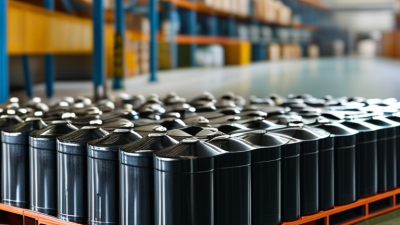
Hey, have you noticed how quickly the renewable energy market is changing? One area really catching everyone's eye is the Wholesale Lifepo4 Battery industry. Experts are expecting it to grow like crazy by 2026. John Smith, a well-known whiz in battery tech, once mentioned, "Quality and consistency in battery supply are going to shape the future of renewable energy." It’s a pretty big deal because it shows just how important reliable suppliers are when the competition’s fierce.
As everyone fights for a piece of the pie, figuring out who the best wholesalers are really matters. The demand for Lifepo4 Batteries is climbing because they’re super efficient and last a long time. But here’s the thing— not all suppliers are up to par. Companies need to carefully check out each supplier’s reliability and innovation. Lots of promises, sure, but some folks just can’t deliver solid support or maintenance when it matters most.
One tricky part is finding the sweet spot between price and quality. Rushing to save some bucks can sometimes lead to skimping on quality, which… yeah, is a total risk. In this fast-moving scene, building good relationships with trusted wholesalers is pretty much essential. As we look ahead to 2026 and examine the top wholesale Lifepo4 Battery suppliers, it’s clear we need to make smart, informed decisions and build strategic partnerships to succeed.
Top Lifepo4 Battery Suppliers to Watch in 2026: An Overview
As the demand for renewable energy solutions grows, LiFePO4 batteries are at the forefront. In 2026, suppliers specializing in these batteries will play a crucial role in powering various industries. They offer advantages like long lifespan, thermal stability, and environmental friendliness. Potential buyers should seek suppliers with a strong history in this field. Companies focused on research and development will gain an edge.
While many suppliers are emerging, not all can guarantee quality. Some may have inconsistent production practices. It's vital to consider the track record of suppliers regarding safety standards and reliability. A transparent supply chain is essential. Buyers should ask about sourcing materials and testing protocols. This helps ensure the products meet expectations.
In a rapidly evolving market, being cautious is key. Some promising suppliers may lack experience. Extensive industry insight is necessary to avoid pitfalls. Researching supplier backgrounds and reviews can provide a clearer picture. Responsiveness and customer service are also important factors in choosing the right partner in this journey.
Market Growth Projections for Lifepo4 Batteries by 2026
The market for Lifepo4 batteries is expected to grow significantly by 2026. These batteries offer excellent energy density and longer lifespan. With the rise in electric vehicles and renewable energy storage, demand will likely increase. Factors such as cost reduction and improved technology will drive this growth. Companies focusing on innovation will succeed in the competitive landscape. Understanding market trends is crucial for businesses adapting to consumer preferences.
Tips for selecting Lifepo4 batteries include considering their energy capacity and discharge rates. High-performance models should be prioritized for electric vehicles and Solar Systems. Reliable suppliers will provide performance guarantees and certifications to ensure battery quality. Researching multiple suppliers and reading reviews will help in making informed decisions.
Investing in Lifepo4 battery technology may involve navigating some challenges. Not all suppliers meet the same standards, which can lead to variable product quality. Maintaining transparency about battery specifications is essential for trust between suppliers and customers. Ultimately, as the market evolves, being proactive and informed will benefit those involved in the Lifepo4 battery space.
Key Features Driving Demand for Lifepo4 Batteries in Wholesale Markets
The demand for LiFePO4 batteries in wholesale markets is set to rise significantly by 2026. Several key features drive this growth. One major factor is their safety profile. According to a recent industry report, LiFePO4 batteries have a lower risk of overheating and combustion compared to other lithium-ion alternatives. This characteristic makes them especially appealing for applications in electric vehicles and Energy Storage Systems.
Another critical aspect is the sustainability of LiFePO4 technology. The materials used are abundant and environmentally friendly. A survey conducted in the sector indicates that nearly 70% of manufacturers prefer this chemistry for its lower environmental impact. Furthermore, these batteries have a lifespan of over 2000 charge cycles, adding to their economic appeal. The lower total cost of ownership attracts many bulk buyers who are increasingly prioritizing longevity and efficiency.
Despite these advantages, challenges remain. The initial costs can be higher than traditional options. Additionally, the ongoing development in battery technology means that companies must adapt quickly. Market participants are encouraged to keep a close eye on trends and new innovations to stay competitive. This dynamic environment highlights the need for suppliers to remain agile and informed.
Top Wholesale Lifepo4 Battery Suppliers in 2026
Leading Manufacturers: Analyzing Market Share and Production Capacity
The global LiFePO4 battery market will see significant growth in 2026. According to a recent industry report, the market is expected to reach $9 billion, driven by increasing demand for renewable energy solutions. Leading manufacturers are scaling up production capacities to meet this surge. They are also focusing on research and development to enhance battery efficiency.
Manufacturers' market shares vary widely. Some companies hold more than 30% of the market, while smaller firms possess a minimal fraction. These dynamics create a competitive landscape. Production capacity is crucial. Many suppliers expand their facilities to produce millions of units annually. However, this rapid expansion raises concerns about quality control. Ensuring consistent product standards remains a challenge for many.
Amid these developments, sustainability continues to play a pivotal role. The industry seeks eco-friendly practices in sourcing materials. However, the balance between rapid growth and environmental impact is difficult to achieve. The market struggles with these conflicting priorities. Careful monitoring of production methods is essential to avoid detrimental effects on the ecosystem. As the sector matures, the industry must address these pressing issues.
Regional Insights: Lifepo4 Battery Supply Trends Across Major Markets
In 2026, the demand for LiFePO4 batteries is expected to witness significant growth across various regions. North America is projected to lead this trend, driven by the increasing adoption of renewable energy projects and electric vehicles. According to recent reports, the North American market for LiFePO4 batteries is expected to expand by approximately 14% annually amid growing sustainability efforts.
In Europe, LiFePO4 batteries are gaining traction due to ambitious carbon-neutral targets. The European market may witness a rise in lithium battery recycling technologies. A study indicates that Europe aims to recycle at least 70% of battery materials by 2030. This shift may lead to more sustainable supply chains, presenting both challenges and opportunities for suppliers.
In Asia, countries like China are ramping up production of LiFePO4 battery cells, which could shift the competitive landscape. However, this aggressive expansion could raise concerns regarding quality control and environmental impacts. Balancing production with sustainability is vital.
For those venturing into this space, understanding regional dynamics is key. Each market has unique demands that can impact supply strategies. Consider local regulations and market needs carefully. Incorporating insights from industry data can guide your approach effectively.
Technological Innovations Impacting Lifepo4 Battery Supply Chains
As we approach 2026, technological innovations transform the supply chains for LiFePO4 batteries. According to a report by the International Energy Agency (IEA), advancements in battery management systems (BMS) are key. Improved BMS for LiFePO4 batteries enhance efficiency and lifecycle, addressing concerns about performance and safety. This innovation benefits manufacturers and consumers alike.
Automation in battery production is on the rise. Automated processes can increase production efficiency by 30%. However, this shift poses challenges, such as the need for skilled labor to oversee these technologies. Suppliers must adapt to maintain quality while embracing innovation. The competitive landscape also requires constant monitoring of emerging technologies and market trends.
Additionally, sustainability stands as a critical focus. A study revealed that enhancing recycling processes for LiFePO4 batteries could reduce material costs by 20%. Yet, many suppliers face barriers in scaling these practices. They need to invest in research and development. As the industry evolves, navigating these complexities becomes vital for suppliers.
Sustainability Practices Among Leading Lifepo4 Battery Suppliers in 2026
As we approach 2026, sustainability is shaping the strategies of leading LiFePO4 battery suppliers. These suppliers are increasingly adopting eco-friendly practices to meet regulatory demands and consumer expectations. Reports indicate that the LiFePO4 battery market is projected to grow significantly, driven by the demand for renewable energy storage systems and electric vehicles.
Research from industry analysis shows that over 60% of battery manufacturers are investing in sustainable production methods. This includes using recycled materials in battery cells. Companies are also turning waste into resources by repurposing old batteries. Such practices not only reduce environmental impact but also enhance the overall efficiency of Lifepo4 Car Battery production.
However, challenges remain. Many suppliers struggle to balance cost and sustainability. The upfront investment for green technologies can be high. In 2025, nearly 25% of suppliers faced setbacks in implementing these sustainable practices. They need to rethink their strategies continuously. Innovations in battery recycling and energy-efficient manufacturing processes are crucial for future sustainability. Thus, while progress is evident, the journey towards fully sustainable LiFePO4 battery production is far from complete.
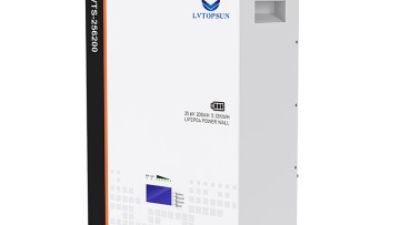
Navigating the Future of Renewable Energy: The Role of LVTS-256200 Lithium-Ion Batteries in Photovoltaic Storage Solutions
As the world increasingly pivots towards sustainable energy solutions, the demand for efficient energy storage systems becomes imperative. The LVTS-256200 Lithium-Ion Batteries stand out as a pivotal component in the realm of photovoltaic storage. These batteries are designed to harness solar energy effectively, providing a reliable source of power for both residential and commercial applications. Their superior capacity and longer lifecycle empower users to maximize their energy utilization, ensuring that solar-generated electricity isn't wasted but stored for peak usage times.
Our product offerings focus on high-quality manufacturing, directly sourced from leading suppliers in China. These suppliers boast cutting-edge technology and strict adherence to industry standards, aligning perfectly with the growing market needs for renewable energy solutions. By utilizing innovative materials and advanced engineering techniques, the LVTS-256200 batteries are positioned to play a crucial role in the transition towards renewable energy, supporting the storage and management of solar energy for future generations. Companies looking to enhance their product lines with reliable and efficient energy storage solutions will find that partnering with experienced manufacturers will significantly elevate their market presence and customer satisfaction.
FAQS
: They offer long lifespan, thermal stability, and are environmentally friendly. This appeals to many industries.
Buyers should check suppliers' safety records and quality practices. Transparency in sourcing materials is important.
The market is evolving rapidly. Informed decisions help avoid pitfalls with inexperienced suppliers.
Businesses should observe the rise in electric vehicles and renewable energy. Cost reductions will drive growth.
They ensure that the batteries meet expected energy capacity and discharge rates. This is crucial for reliability.
Suppliers must adapt to automation while ensuring quality. Skilled labor is needed to oversee these advancements.
Enhanced recycling can reduce material costs significantly. However, many suppliers struggle to implement these practices.
Increased focus on sustainability and advancements in battery technology play a significant role.
Not all suppliers meet the same quality standards. Reading reviews helps in making informed decisions.
Responsiveness and customer support are vital. They can greatly influence the overall experience and satisfaction.
Conclusion
The article explores the landscape of wholesale Lifepo4 battery suppliers projected for 2026, highlighting significant growth in market demand and production capacity. It discusses key features driving this demand, including efficiency and longevity, and outlines the anticipated market growth trends. Regional insights reveal shifting supply dynamics across major markets, while an analysis of leading manufacturers showcases their market share and production capacities.
Technological innovations are set to enhance Lifepo4 battery supply chains, supporting more sustainable practices among suppliers. As the industry evolves, a focus on sustainability will become increasingly vital, shaping the future of wholesale Lifepo4 battery procurement and influencing buyer preferences in the coming years.