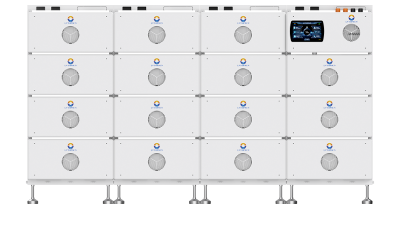
You know, there's been a huge uptick in the demand for renewable energy solutions all across Africa these days. More and more businesses and households are really looking for sustainable alternatives, and because of that, having reliable energy storage has become more important than ever. That’s why finding a reputable Solar Battery Supplier in Africa who offers wholesale options is a pretty smart move — it helps you get access to top-notch products like the 15kwh Solar Battery Lithium Battery. Honestly, it’s perfect for long-lasting, efficient energy storage.
A bunch of suppliers are jumping in to meet this rising demand. Names like Solar Africa, the African Solar Industry Association, and JinkoSolar are really standing out—they’re known for their quality and reliability. Plus, their pricing is competitive, and they’ve got a pretty good range of products that appeal to bulk buyers. But, and this is important, not every supplier out there maintains the same standards, so you’ve really gotta choose carefully.
Doing your homework is key here. Take some time to dig into reviews and check their track records. It might seem like a small thing, but it can seriously save you from headache down the line—like avoiding unreliable products or poor service. The right partner in this growing market can actually help you save a ton on energy costs and make sure your power supply stays steady and dependable.
Top Solar Battery Suppliers in Africa: An Overview of the Market Landscape
The solar battery market in Africa is expanding rapidly, driven by increasing energy demands and the need for sustainable solutions. According to industry reports, the solar battery storage market is projected to grow at a compound annual growth rate (CAGR) of over 20% from 2021 to 2026. This growth highlights the region's shift towards renewable energy sources.
Major suppliers are stepping up to meet this demand, providing a range of solutions tailored to local needs. It’s essential to assess the quality and reliability of the products offered by these suppliers. Many wholesalers emphasize the importance of batteries that are not only high in capacity but also durable under extreme conditions. Data indicates that over 40% of consumers prioritize Battery Longevity and efficiency in purchasing decisions.
When exploring options, consider the power capacity and lifecycle of solar batteries. Batteries with a higher depth of discharge and longer lifespan will yield better long-term savings. Installing high-quality batteries may come at a premium, but it often translates to better performance and lower replacement needs. Be cautious of suppliers offering unusually low prices; this can indicate inferior product quality. Investing in reputable suppliers can mitigate risks and ensure a reliable energy source over time.
Top Solar Battery Suppliers in Africa: An Overview of the Market Landscape
| Supplier Location | Battery Type | Capacity (kWh) | Price Range (USD) | Warranty (Years) |
| South Africa | Lithium-ion | 5 - 10 | 500 - 900 | 5 |
| Kenya | Lead-acid | 100 - 200 | 200 - 400 | 2 |
| Nigeria | Lithium-ion | 10 - 15 | 600 - 1200 | 7 |
| Ghana | Lead-acid | 50 - 100 | 150 - 300 | 3 |
| Uganda | Lithium-ion | 8 - 12 | 400 - 800 | 6 |
Key Factors Driving Solar Battery Demand in Africa's Energy Sector
The demand for solar batteries in Africa is surging, driven by several critical factors. Access to reliable electricity remains a challenge for many regions. According to a recent report by the International Renewable Energy Agency (IRENA), over 600 million people in Africa lack electricity. This gap creates an urgent need for efficient renewable energy solutions. Solar And Battery technologies are positioned as key players in filling this void.
Moreover, the cost of Solar And Battery systems has decreased significantly, making them more accessible. A report by Bloomberg New Energy Finance noted that the price of lithium-ion batteries fell by around 89% since 2010. This decline fosters growth in solar energy projects, enabling investments that lead to job creation and local economic benefits. Many entrepreneurs are exploring solar and battery solutions to power homes, schools, and businesses.
However, challenges remain. The lack of robust infrastructure can hinder widespread adoption. Additionally, supply chain issues can delay project implementation, leading to inefficiencies. There is also a need for regulations that support sustainable practices in solar and battery manufacturing. Ensuring quality and reliability in solar battery products is vital for long-term success in Africa's energy sector.
Leading Regions for Solar Battery Supply Chains Across the Continent
The solar battery market in Africa is evolving rapidly. Several regions demonstrate significant growth in solar battery supply chains. East Africa, particularly Kenya and Tanzania, is leading in solar energy adoption. According to industry reports, the region saw a remarkable increase of 30% in solar battery installations between 2021 and 2022. This trend reflects the rising demand for reliable energy sources in rural areas.
West Africa is also emerging as a key player. Countries like Nigeria and Ghana are witnessing a surge in solar battery usage, driven by the need for off-grid solutions. The International Renewable Energy Agency (IRENA) projects that by 2025, West Africa's solar battery market could expand by 40%. This growth is fueled by a combination of government initiatives and private investment in renewable energy projects.
However, challenges remain. Supply chain disruptions can delay project timelines. Moreover, the lack of skilled labor hinders installation efficiency. While the solar battery sector is promising, these obstacles require attention. In the quest for sustainable energy, understanding regional dynamics and building robust supply chains are essential for future success.
Top Solar Battery Suppliers in Africa
Comparative Analysis of Solar Battery Technology Types and Their Benefits
In Africa, solar energy is gaining traction as a sustainable solution. The growth of solar battery technology is crucial to this transition. Various types of solar batteries serve differing needs. Lithium-ion batteries are popular due to their efficiency. They offer a high energy density and longer lifespan compared to other types. According to a report by the International Energy Agency, the demand for lithium-ion batteries is expected to increase by 20% annually through 2025.
Lead-acid batteries remain a favored option in some regions. They are cost-effective but have a shorter lifespan and lower efficiency. Despite their limitations, they provide a reliable source of energy storage. Yet, the recycling and disposal of lead-acid batteries come with environmental challenges. Another emerging technology is flow batteries, which offer scalability and are ideal for large-scale applications. Their performance can be improved with ongoing research. A research paper noted that these batteries could play a critical role in urban energy systems.
The landscape is complex, filled with choices. Each battery type carries its benefits and drawbacks. For instance, while a 12v Battery Solar system is convenient, it might not suit every application. Understanding these options is vital for consumers looking to make informed decisions. The varied landscape reflects the growing demand but also highlights the need for careful consideration of choices.
Wholesale Pricing Trends and Cost Analysis of Solar Batteries in Africa
As the demand for renewable energy grows, solar batteries have become vital in Africa's energy landscape. Understanding wholesale pricing trends is essential for businesses seeking to invest in solar battery systems. The price of solar batteries varies based on factors like capacity, technology, and market conditions. Wholesale prices can fluctuate significantly depending on global supply chains and local economic factors.
When considering solar battery options, focus on cost-per-watt-hour metrics. This metric offers a clearer picture of battery economics. Additionally, pay attention to the battery's lifespan and warranty. A cheap battery may not be the best long-term investment. Evaluating overall performance is critical for sustainability.
Reflecting on solar battery suppliers is important. Some may offer attractive pricing but lack reliable customer support or quality assurance. Regular communication with suppliers helps mitigate risks. Building partnerships means accessing better pricing and ensuring supply chain stability. Always assess the reputation and reliability of potential partners before making wholesale purchases.
Choosing the right Solar Battery 24v can streamline your project. Consider local market conditions to understand pricing dynamics. Collaboration with industry experts can also aid in making informed decisions.
Case Studies: Successful Wholesale Partnerships in the Solar Battery Industry
Africa's solar battery market is blossoming. With the continent's abundant sunlight, many businesses are turning to solar energy solutions. This shift creates opportunities for wholesale partnerships. A report by the International Renewable Energy Agency (IRENA) indicates that annual installations of solar capacity in Africa could surpass 10 gigawatts by 2030. These figures highlight the increasing demand for solar batteries.
Successful case studies reveal the significance of collaboration. For instance, a cooperative model between local distributors and manufacturers enhances supply chain reliability. Many partnerships provide integrated services, including financing options for customers. This approach boosts sales and strengthens community trust. Research suggests that partnerships can increase market reach by over 30%. However, some challenges remain. Issues such as fluctuating battery costs and variable demand complicate these relationships.
Networking continues to be vital. Industry stakeholders frequently gather at conferences to discuss innovation and share insights. Many participants focus on overcoming barriers to entry. Personalized solutions for different regional markets can drive growth. However, a cautious approach is essential. Understanding each market's unique dynamics is critical for success. Building strong relationships fosters long-term benefits, but inconsistency in regulations can pose risks.
Regulatory Framework and Incentives Affecting Solar Battery Suppliers in Africa
The solar battery market in Africa is growing rapidly. A solid regulatory framework significantly impacts suppliers. Governments are introducing policies to boost renewable energy. These regulations help stabilize the market for solar battery suppliers. Incentives like tax breaks and subsidies attract more stakeholders. They enhance the investment climate for wholesalers. However, access to these incentives may vary by region, which could complicate wholesale purchases.
Navigating the regulatory landscape can be challenging. Suppliers must stay updated on changing laws. It's essential to engage with local authorities for clarity. Understanding these rules can avoid costly mistakes. Some suppliers face unexpected bureaucratic obstacles. It’s crucial for businesses to assess their readiness for compliance.
Success hinges on adapting to local needs. Building relationships with regulators is vital. Suppliers should consider ongoing education about incentives. They may find valuable resources through industry associations. This proactive approach can ease market entry and enhance reliability. Exploring partnerships can also yield beneficial insights. Addressing regulatory challenges now will pave the way for future growth.
Exploring the Advantages and Applications of LVTOPSUN's Modular High Voltage LiFePO₄ Battery Energy Storage System
The modular high voltage battery energy storage system offers a versatile solution for various energy needs, including residential, commercial, and industrial applications. With the integration of 314Ah LiFePO₄ battery modules, this advanced system provides a scalable energy capacity, allowing users to tailor their storage solutions according to specific requirements. The flexibility in installation enhances its appeal as a straightforward choice for diverse environments, ensuring efficient energy management.
One of the standout features of this energy storage solution is its active cell balancing technology, which promotes longevity and stability across the battery modules. Coupled with an intelligent Battery Management System (BMS), users can monitor and optimize performance more effectively, ensuring the battery operates at its peak efficiency. This intelligent oversight not only protects the integrity of the battery system but also maximizes energy output, making it an ideal choice for a sustainable future.
FAQS
The cost has significantly decreased. Lithium-ion battery prices fell by about 89% since 2010.
They enable investments that create jobs and support local businesses. Many entrepreneurs are adopting these solutions.
Infrastructure issues hinder widespread use. Supply chain delays can lead to project inefficiencies as well.
Regulations support sustainable practices. Quality and reliability are essential for long-term success.
Collaborations improve supply chain reliability. They also boost sales through integrated services like financing options.
Annual installations could exceed 10 gigawatts by 2030. This reflects rising demand for solar batteries.
Networking helps stakeholders share insights and discuss innovation. Conferences address barriers to market entry.
Tailored solutions for regional markets can significantly drive growth. Each market has unique dynamics.
Inconsistent regulations can undermine partnerships. This adds a layer of uncertainty in the market.
Conclusion
The solar battery market in Africa is experiencing significant growth, driven by increasing energy demands and a shift towards renewable sources. Key factors influencing this surge include the need for energy storage solutions to support solar power installations and the rising affordability of solar technology. Leading regions for solar battery supply chains showcase a variety of suppliers that cater to wholesale purchases, making it easier for businesses to access these essential products.
A comparative analysis of different solar battery technologies reveals their unique benefits, which further enhance their attractiveness to buyers. Wholesale pricing trends indicate a competitive market, reflecting ongoing cost analysis for consumers. Successful case studies highlight effective partnerships within the solar battery industry, demonstrating the potential for profitable collaborations. Additionally, the regulatory framework and incentives in place play a crucial role in shaping the landscape for Solar Battery Supplier Africa Wholesale, encouraging greater investment and innovation in the sector.