




Air Cooling vs. Liquid Cooling: How to Choose the Right C&I Energy Storage System
A Practical Guide to C&I ESS, Thermal Management, LiFePO₄ Batteries and BMS
As Commercial and Industrial Energy Storage (C&I ESS) systems become larger and more powerful, thermal management becomes an increasingly important part of system design.
Two common approaches are air cooling and liquid cooling.
But which one is suitable for your project?
The answer depends on system capacity, power requirements, operating environment, space and application needs.
Air Cooling vs. Liquid Cooling
| Air-Cooled ESS | Liquid-Cooled ESS | |
|---|---|---|
| Cooling Method | Air conditioning / airflow | Liquid cooling |
| Typical Application | Selected C&I applications | Larger C&I energy storage |
| LVTOPSUN Example | 112kWh ESS | 261kWh / 522kWh ESS |
| Key Considerations | System size, space, environment | Capacity, thermal management, system integration |
| Typical Applications | Peak shaving, backup, VPP | Larger-scale C&I applications |
The cooling method should be selected as part of the complete ESS architecture, not considered separately.
112kWh Air-Cooled ESS
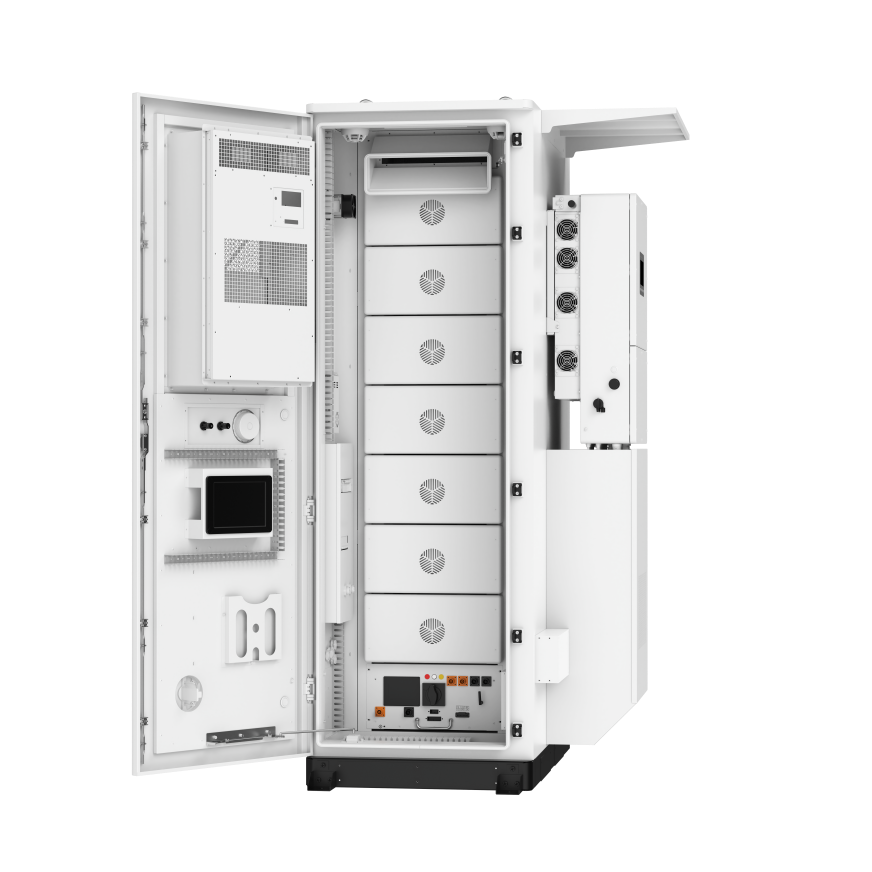
The LVTSG-50kS(PV100k)(112kWh) combines a 112kWh Battery System with a 50kW inverter for commercial and industrial applications.
Key Specifications
| Parameter | LVTSG-50kS(PV100k)(112kWh) |
|---|---|
| Battery Capacity | 112 kWh |
| Usable Energy | 100.8 kWh |
| Rated Power | 50 kW |
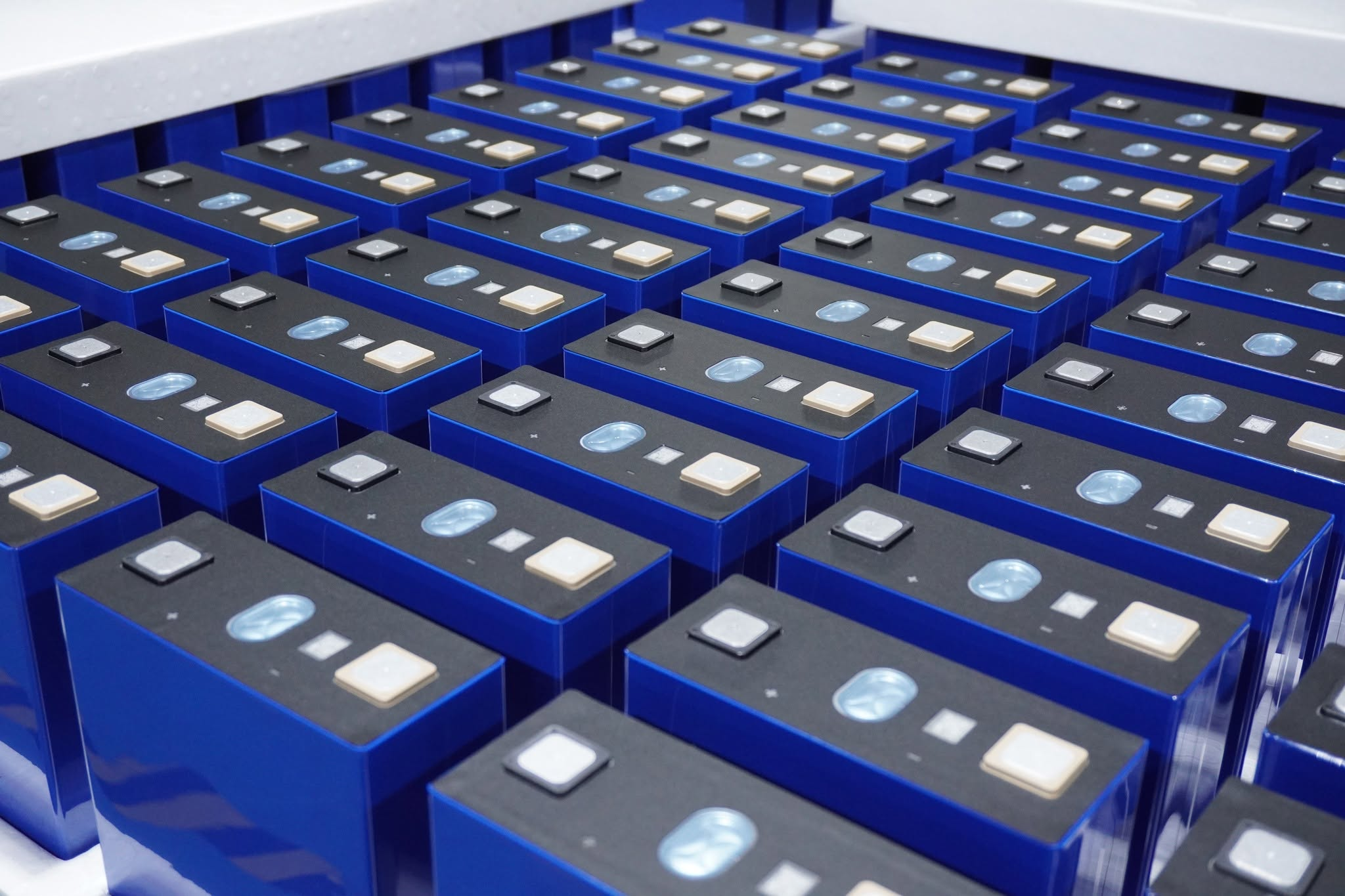
| Battery Cell | LFP 3.2V / 314Ah |
| Cycle Life | 8,000 cycles |
| Operating Temperature | -20°C to +55°C |
| Cooling | Air Conditioning + Air Cooling |
| Protection | IP55 Cabinet + IP66 Inverter |
| Backup Switch Time | <10 ms |
The system supports applications including peak shaving, backup and VPP, and uses Grade A LFP cells with multi-layer protection and cell health monitoring.
261kWh & 522kWh Liquid-Cooled ESS
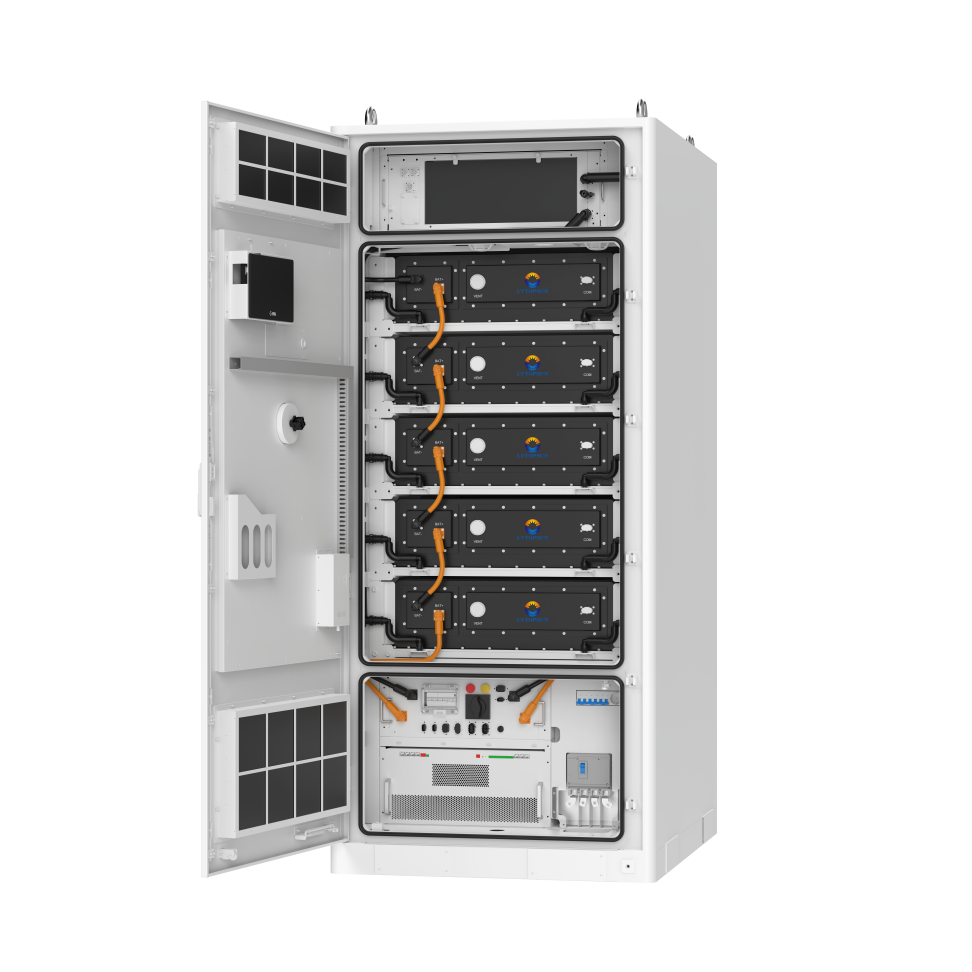
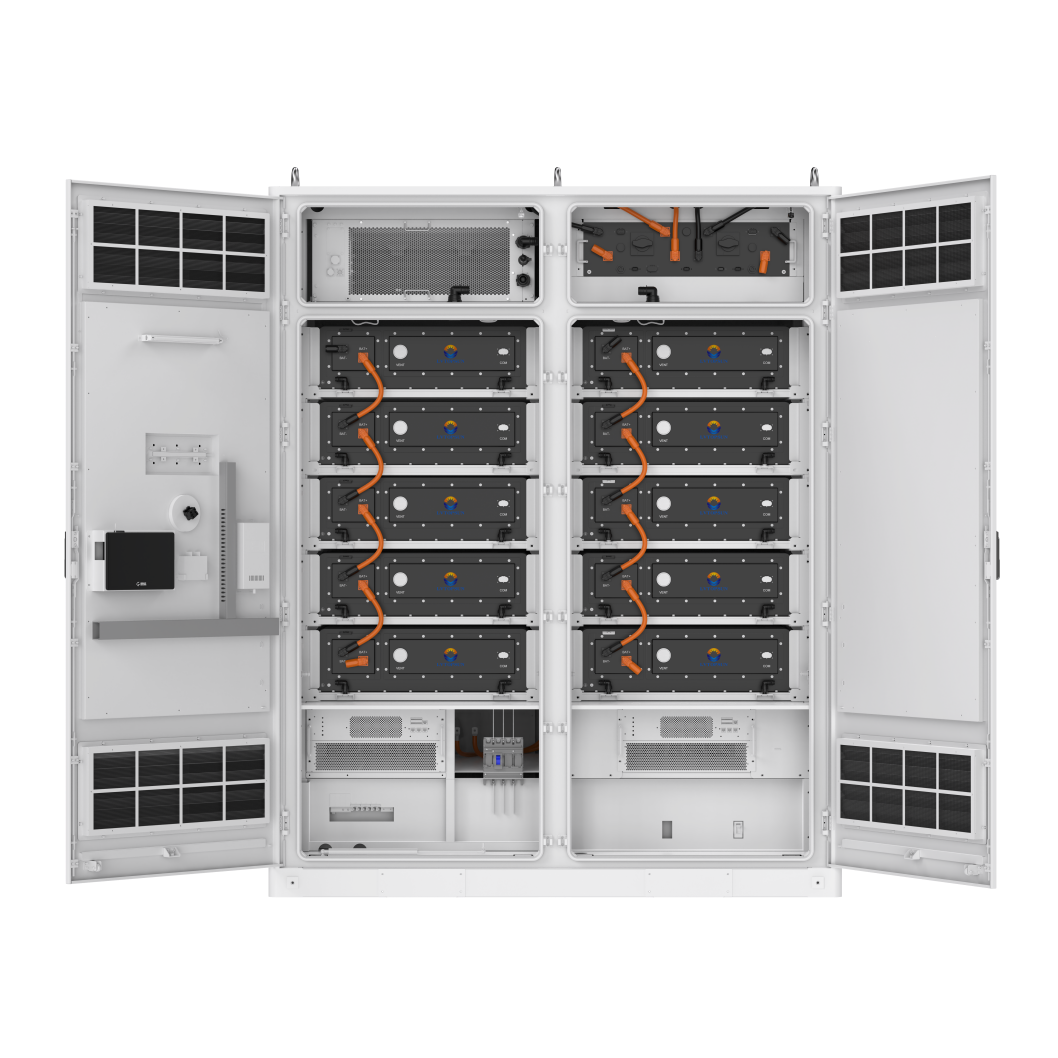
LVTSG-250k(522kWh)
For larger C&I energy storage requirements, LVTOPSUN offers liquid-cooled systems based on LFP / 314Ah battery cells.
| Product | LVTSG-125k(261kWh) | LVTSG-250k(522kWh) |
|---|---|---|
| Battery Capacity | 261 kWh | 522 kWh |
| Rated Power | 125 kW | 250 kW |
| Battery Cell | LFP / 314Ah | LFP / 314Ah |
| Cooling | Liquid Cooling | Liquid Cooling |
| Operating Temperature | -30 ~ 55°C | -30 ~ 55°C |
| Protection | IP54 | IP54 |
| Unbalanced Load | 100% | 100% |
| Communication | Ethernet / Wi-Fi / 4G | Ethernet / Wi-Fi / 4G |
The 261kWh system uses a 1P52S battery configuration, while both systems incorporate liquid cooling and multiple fire-protection measures.
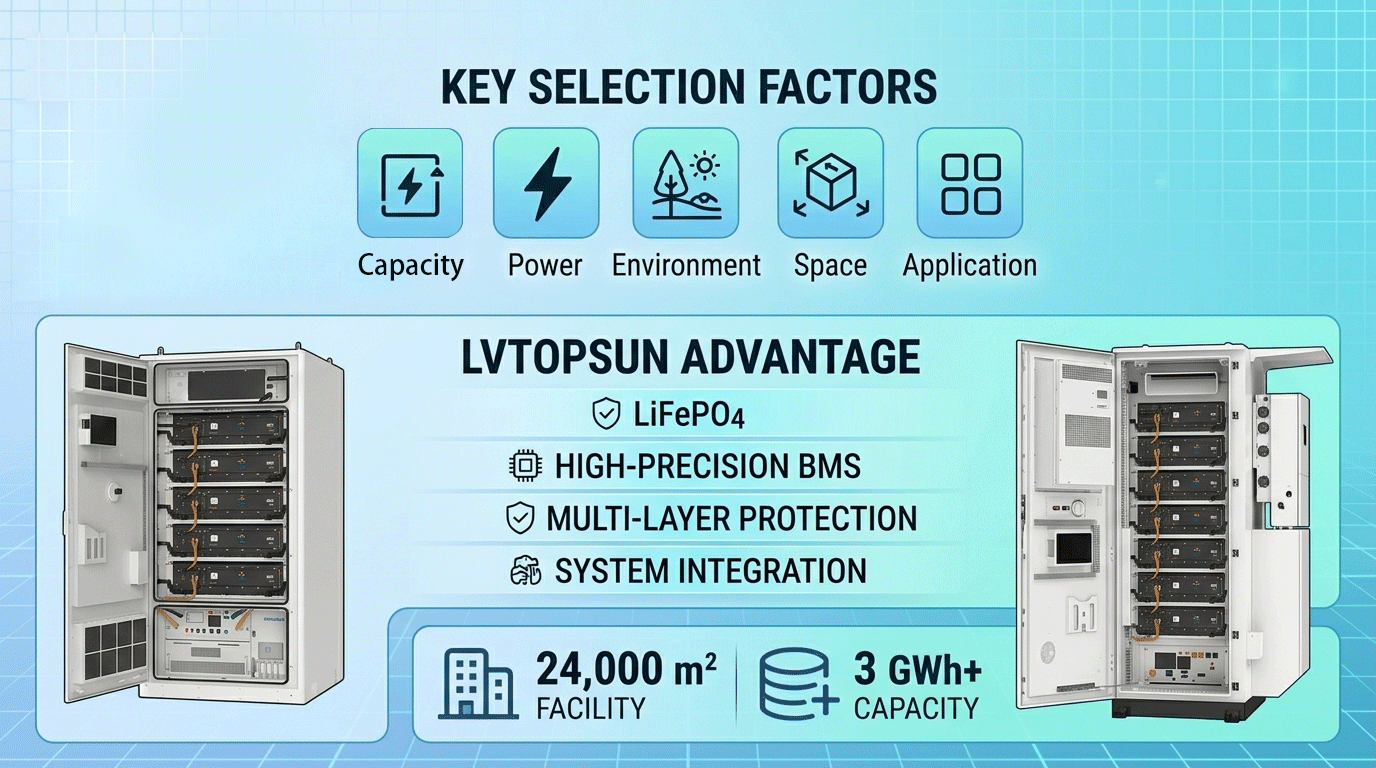
How to Choose the Right C&I ESS?
Instead of asking which cooling method is better, consider the actual project requirements.
| Key Factor | What to Consider |
|---|---|
| Capacity | Required energy storage capacity |
| Power | Charging and discharging requirements |
| Environment | Operating temperature and installation conditions |
| Space | Available installation area |
| Application | Peak shaving, backup, solar storage or VPP |
| BMS | Battery monitoring and protection |
| Safety | Fire protection and electrical protection |
| Compatibility | Inverter and communication requirements |
In other words, the right C&I Energy Storage System is the one that matches the project's actual requirements.
LiFePO₄ + BMS: The Foundation of ESS
Cooling is only one part of an energy storage system.
A reliable C&I ESS also depends on battery chemistry, BMS, protection and system integration.
| Core Technology | LVTOPSUN Solution |
|---|---|
| Battery Chemistry | LiFePO₄ (LFP) |
| Battery Cells | Grade A / 314Ah LFP cells |
| Battery Management | High-precision BMS with SOC/SOH algorithms |
| Safety | Multi-layer protection |
| Monitoring | Smart monitoring & remote diagnostics |
| Inverter Integration | 25+ mainstream inverter brands |
| Communication | CAN / RS485 / RS232 |
LVTOPSUN's product materials highlight LiFePO₄ battery technology, high-precision BMS, multi-layer protection and system integration as core technologies.
Why LVTOPSUN for C&I Energy Storage?
LVTOPSUN combines battery technology, ESS integration, manufacturing and global service capabilities.
LVTOPSUN at a Glance
| LVTOPSUN | |
|---|---|
| Energy Storage Experience | 11+ Years |
| Sales | 250 Million USD |
| Overseas Branches | 26 |
| Countries Served | 50+ |
| Employees | 500+ |
| R&D Engineers | 120+ |
| Smart Manufacturing Facility | 24,000 m² |
| Annual Production Capacity | 3 GWh+ |
| Inverter Compatibility | 25+ Brands |
| Authorized Patents | 20+ |
LVTOPSUN operates a 24,000 m² production facility in Dongguan with 3 GWh+ annual production capacity, automated manufacturing and 100% EOL testing before shipment.
Frequently Asked Questions
What is the difference between air-cooled and liquid-cooled ESS?
Air-cooled ESS uses air-conditioning or airflow for thermal management, while liquid-cooled ESS uses a liquid cooling system.
Is liquid cooling better than air cooling?
Neither should be considered universally better. The appropriate solution depends on system capacity, operating conditions, space and project requirements.
What battery chemistry does LVTOPSUN use?
LVTOPSUN's energy storage portfolio uses LiFePO₄ (LFP) battery technology, including LFP / 314Ah cells in its C&I ESS products.
Choose the Right Thermal Management for Your ESS
Air cooling and liquid cooling are different approaches to thermal management—not competing answers for every project.
For C&I energy storage, the right choice should consider:
Capacity · Power · Environment · Space · Application · BMS · Safety · Inverter Compatibility
With 11+ years of energy storage experience, 24,000 m² smart manufacturing facility, 3 GWh+ annual production capacity, 26 overseas branches and 50+ countries served, LVTOPSUN provides LiFePO₄ battery and C&I energy storage solutions for diverse global applications.
From battery cells to complete ESS, LVTOPSUN helps customers build energy storage systems around real project requirements.