





How to Choose the Right Residential Energy Storage System
A Practical Guide to Battery Capacity, LiFePO₄ Technology, BMS and Home Energy Storage Solutions
Residential energy storage helps homeowners make better use of solar power, manage electricity costs and maintain power for essential household loads. But choosing the right system involves more than comparing battery capacity or price.
The best solution depends on your electricity consumption, solar generation, backup requirements, installation conditions and local grid regulations.
1. Start with Your Household Energy Needs
Before selecting a residential Energy Storage System, identify how you plan to use it.
| Application | What to Consider |
| Solar Self-Consumption | Match battery capacity to your solar generation and evening electricity demand. |
| Peak and Off-Peak Tariffs | Compare local electricity rates and charging periods to assess potential savings. |
| Backup Power | Identify essential loads and estimate how long they need to operate during an outage. |
| Zero-Export Applications | If local regulations limit sending electricity back to the grid, make sure the system supports this function. |
Understanding your daily energy consumption and peak load helps you avoid an undersized system—or paying for capacity you rarely use.
2. Check the Key Parameters Before You Buy
Battery capacity is important, but it should not be the only deciding factor.
| Parameter | What to Look For |
| Usable Battery Capacity | Check usable energy, not just nominal capacity. Depth of discharge (DOD) affects how much energy is available. |
| Charge and Discharge Power | Ensure the system can support your household's peak loads and backup requirements. |
| Cycle Life | Compare cycle-life ratings under the stated test conditions, including DOD and temperature. |
| Operating Conditions | Confirm the permitted temperature range, installation location and protection rating for the specific model. |
| Inverter Compatibility | Check communication protocols and compatibility with your existing or planned inverter. |
| Safety and Certification | Review the battery protection design and certificates applicable to the exact product model. |
For example, a battery rated at 10 kWh with a 90% DOD provides approximately 9 kWh of usable energy under the stated conditions. Actual performance depends on system settings and operating conditions.
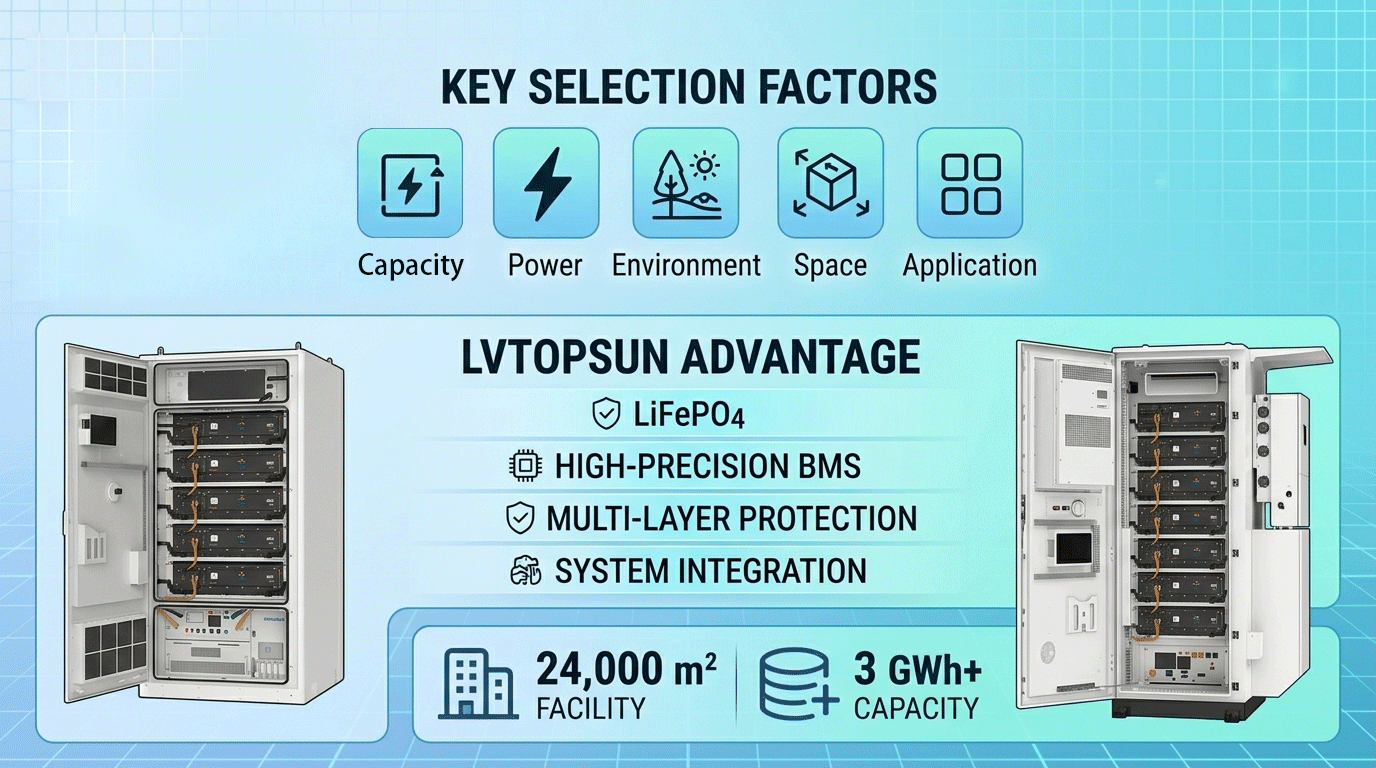
3. Why LiFePO₄ Batteries and BMS Matter
Battery chemistry and battery management are two essential parts of a reliable home energy storage system.
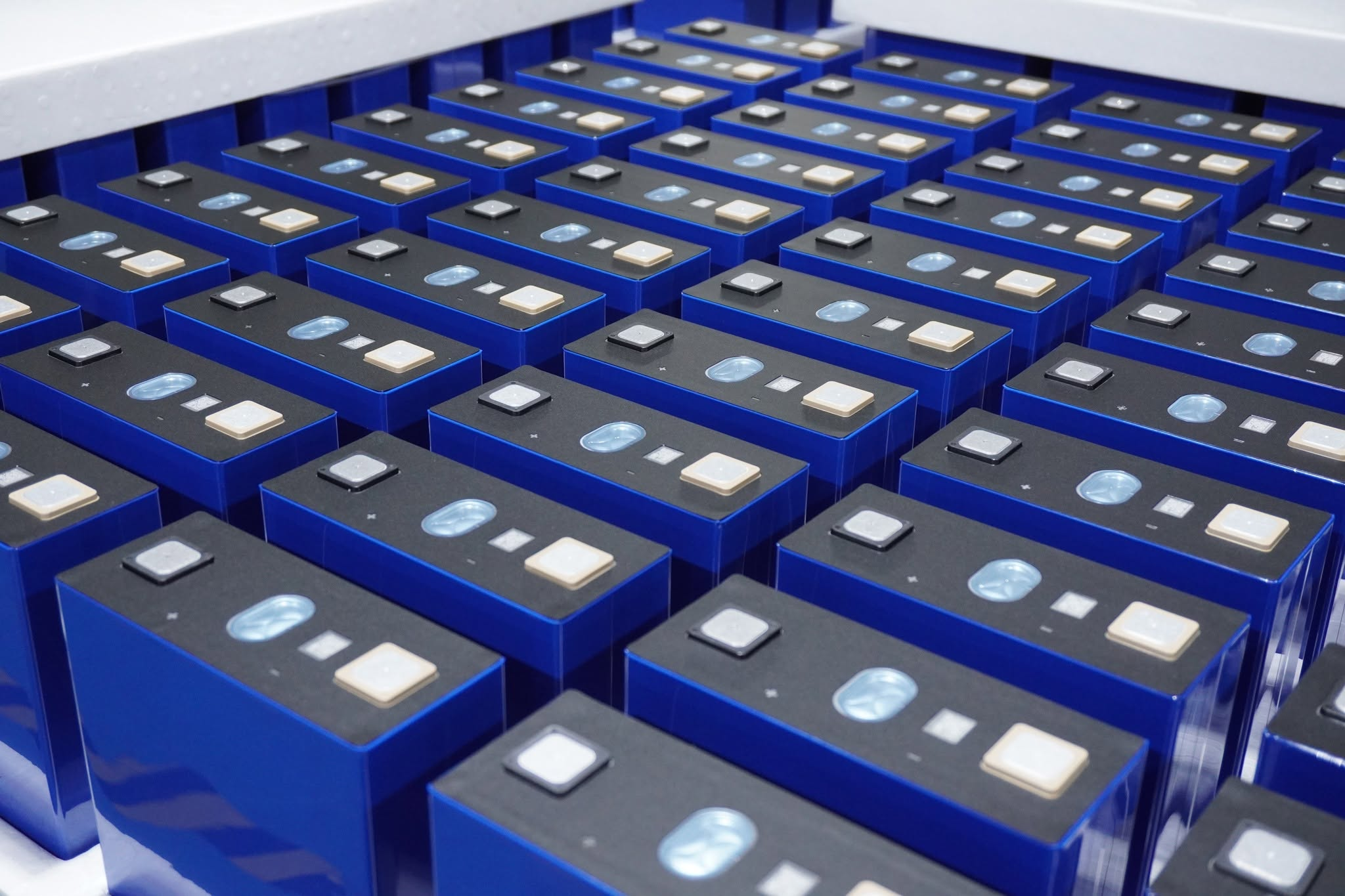
LiFePO₄ (Lithium Iron Phosphate) is widely used in energy storage because of its thermal stability and long cycle-life potential. Overall system performance also depends on cell quality, system design and operating conditions.
A Battery Management System (BMS) monitors battery operation and helps manage charging, discharging and protection.
| Technology | Why It Matters |
| Grade-A LiFePO₄ Cells | Support consistent battery performance when combined with appropriate manufacturing and quality control. |
| Intelligent BMS | Monitors battery status and supports safe, controlled operation. Advanced systems may include SOC/SOH estimation and fault monitoring. |
| Multi-Layer Protection | Helps manage electrical and temperature-related risks. Check the protection features of the specific model. |
| System Compatibility | Reliable communication between the battery and inverter helps support correct system operation. |
When comparing products, ask suppliers for the relevant datasheets, BMS functions, protection details and test documentation rather than relying on marketing descriptions alone.
4. Choose a System That Fits Your Home
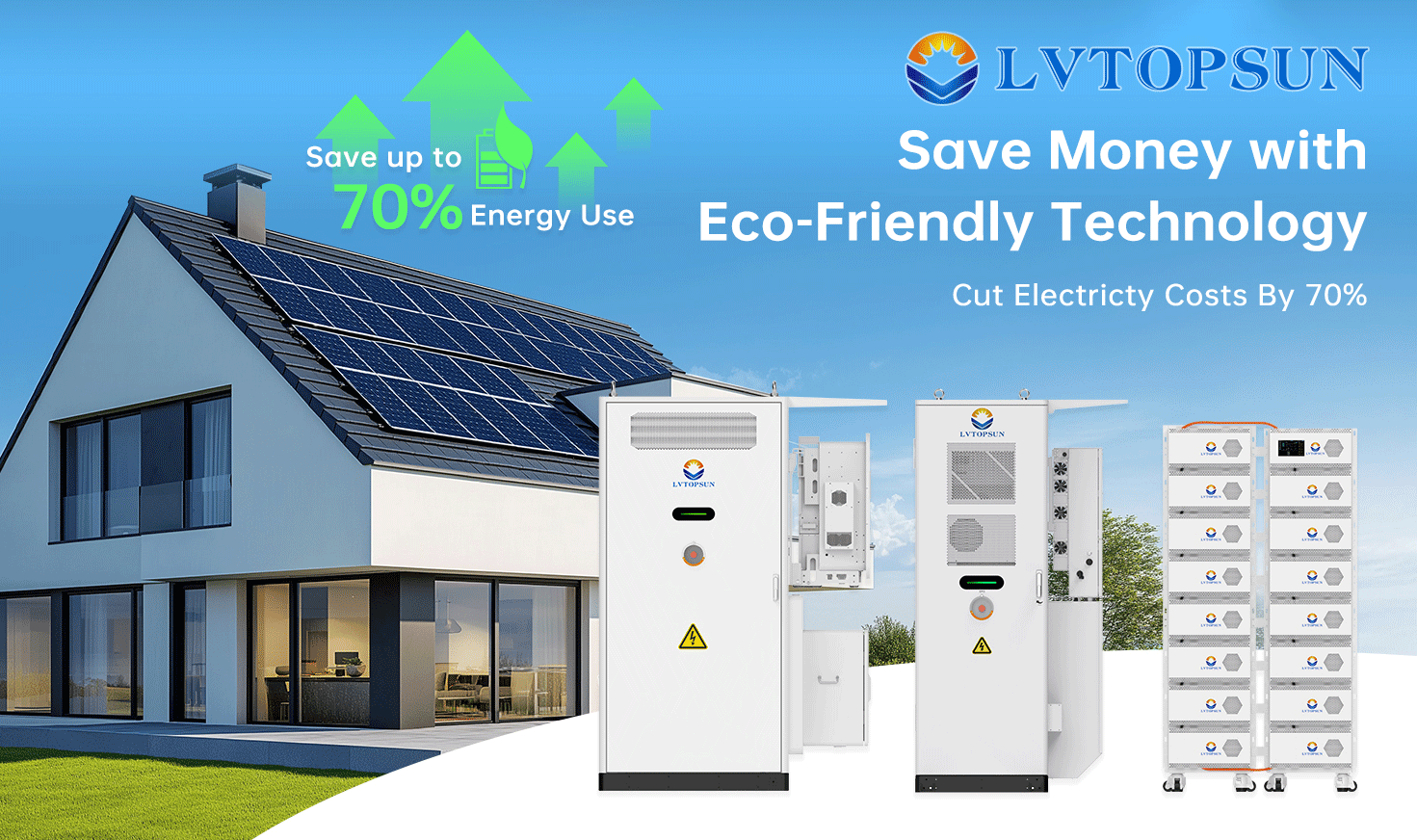
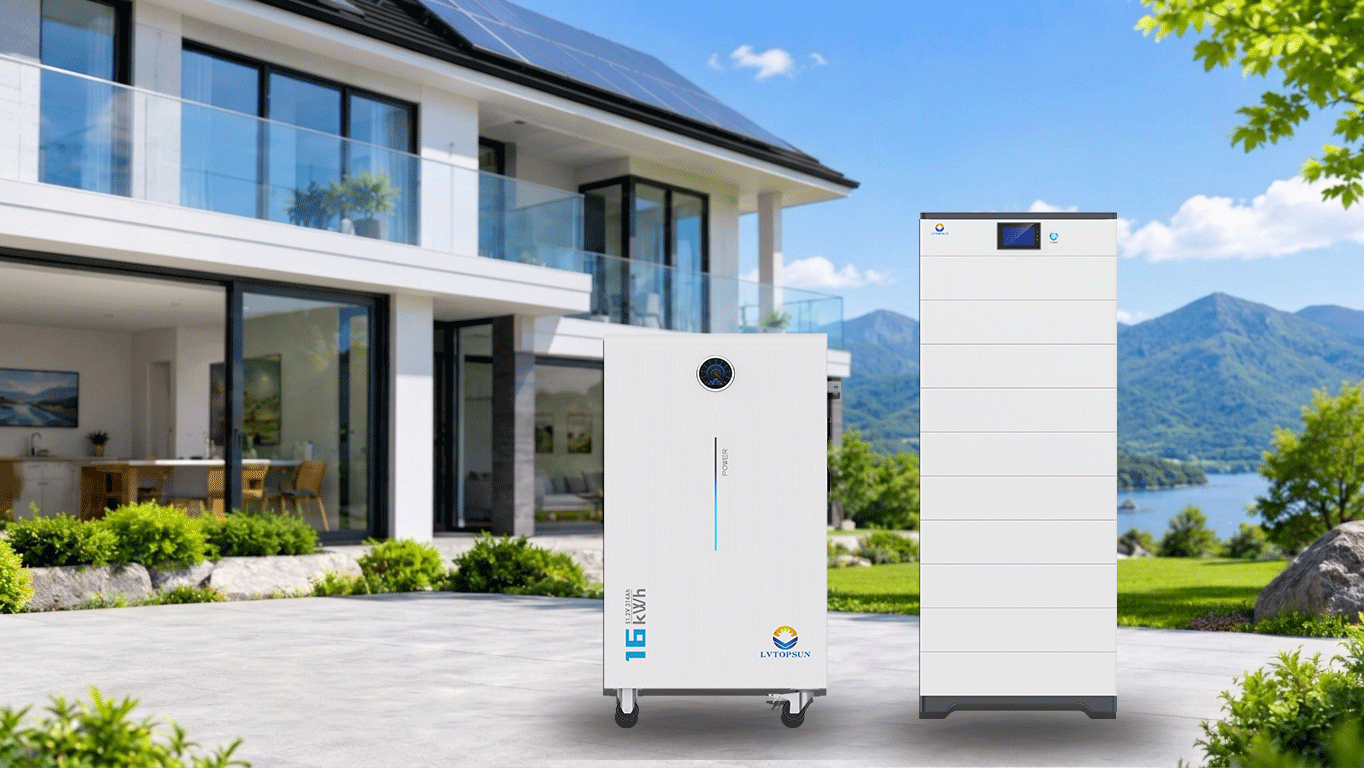
LVTOPSUN offers residential battery systems in different capacities, alongside energy storage inverter solutions and compatible battery-inverter configurations.
| Solution | Key Considerations |
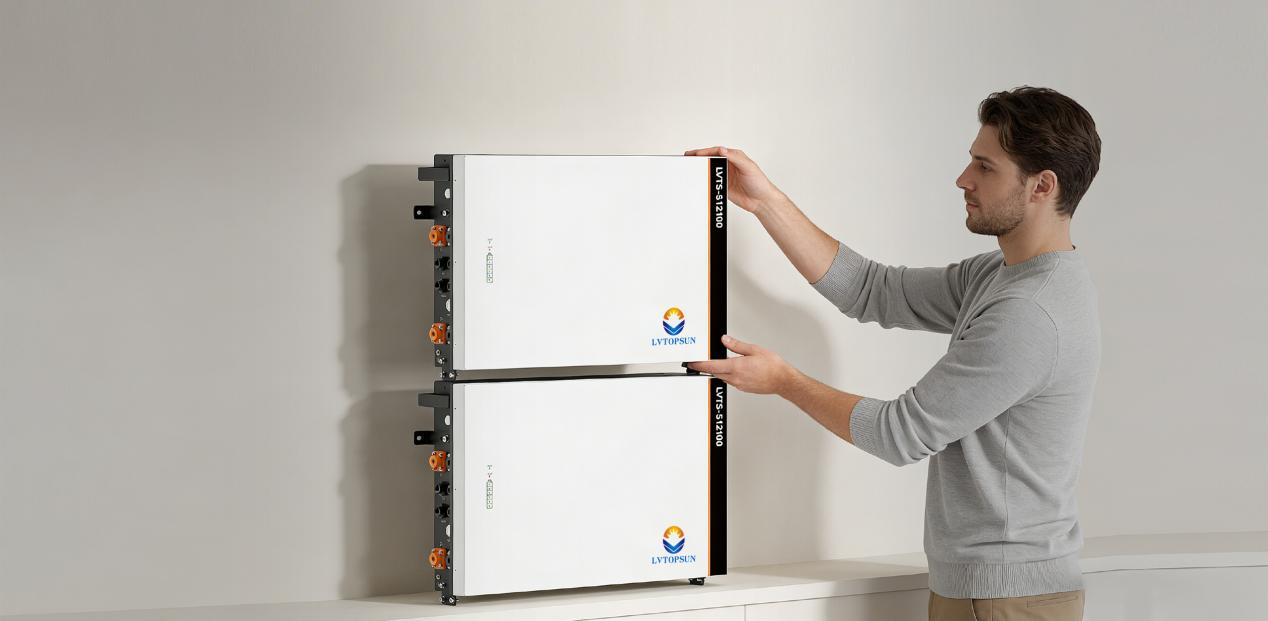
| Compact Residential Battery | The 5.12 kWh LVTS-512100-G2 offers a modular option for projects where space and flexibility are important. |
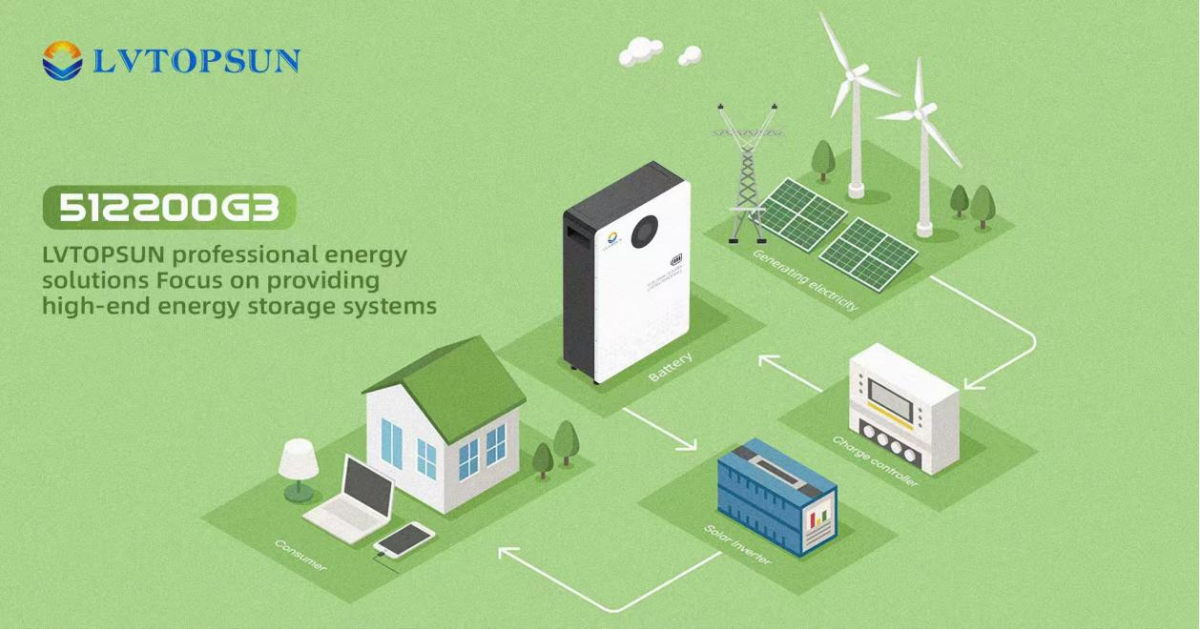
| 10.24 kWh Residential Battery | The LVTS-512200-G3 provides another option for households with greater energy storage needs. |
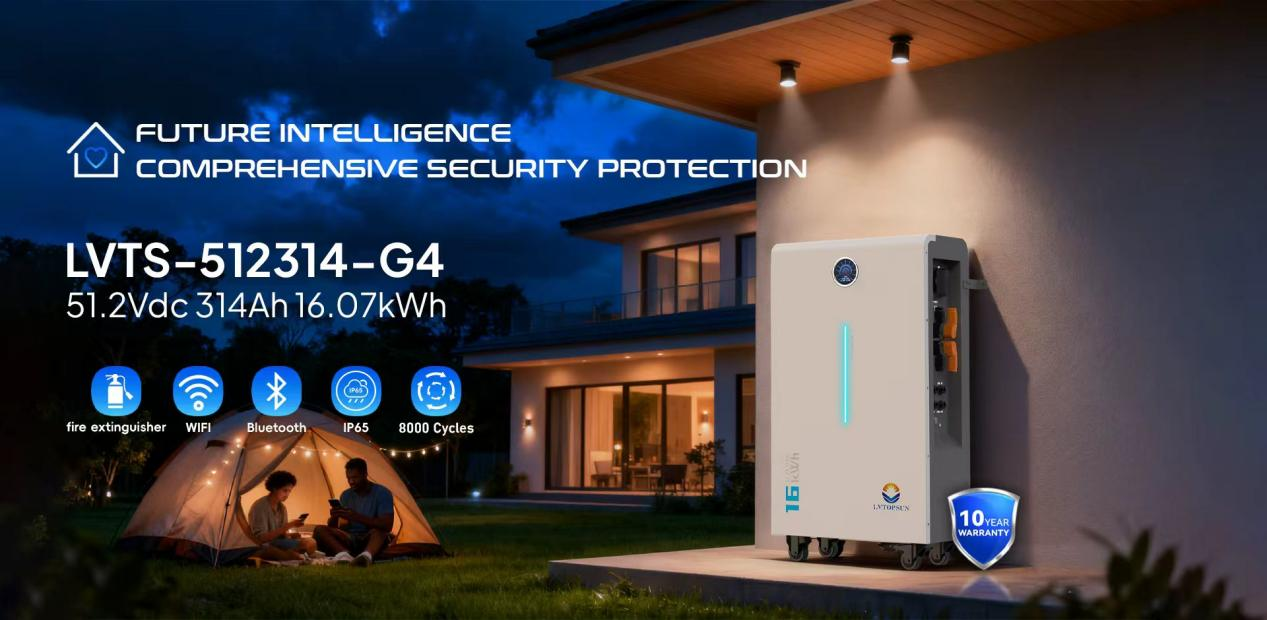
| 16.07 kWh Residential Battery | The LVTS-512314-G4 offers higher storage capacity, with an integrated active fire suppression system, 24/7 temperature monitoring and a stated cycle life of 8,000 cycles at 90% DOD. |
| Hybrid Inverter Solutions | Select an inverter according to grid type, solar input, household load, backup requirements and local installation rules. |
Do not choose a battery based on capacity alone. Confirm the system's usable energy, rated power, inverter compatibility, installation requirements and backup functionality before making a final decision.
5. Verify International Certifications and Compliance
International standards and compliance documentation are important considerations when selecting a residential energy storage supplier. However, certification and testing requirements vary by product model, applicable standard and target market.
Some LVTOPSUN products have obtained relevant certifications or test documentation. Before purchasing, customers should verify the specific product model, certificate number, applicable standard, certificate scope and issuing body to confirm which requirements the product meets.
It is also important to understand the difference between these requirements:
UL and IEC: Verify the applicable standard and certificate scope for the specific product. Compliance with one standard does not automatically establish compliance with another.
CE: Check the applicable EU conformity requirements and supporting documentation for the product being supplied.
UN 38.3: This relates to the transport testing of lithium batteries and is not equivalent to a product safety certification.
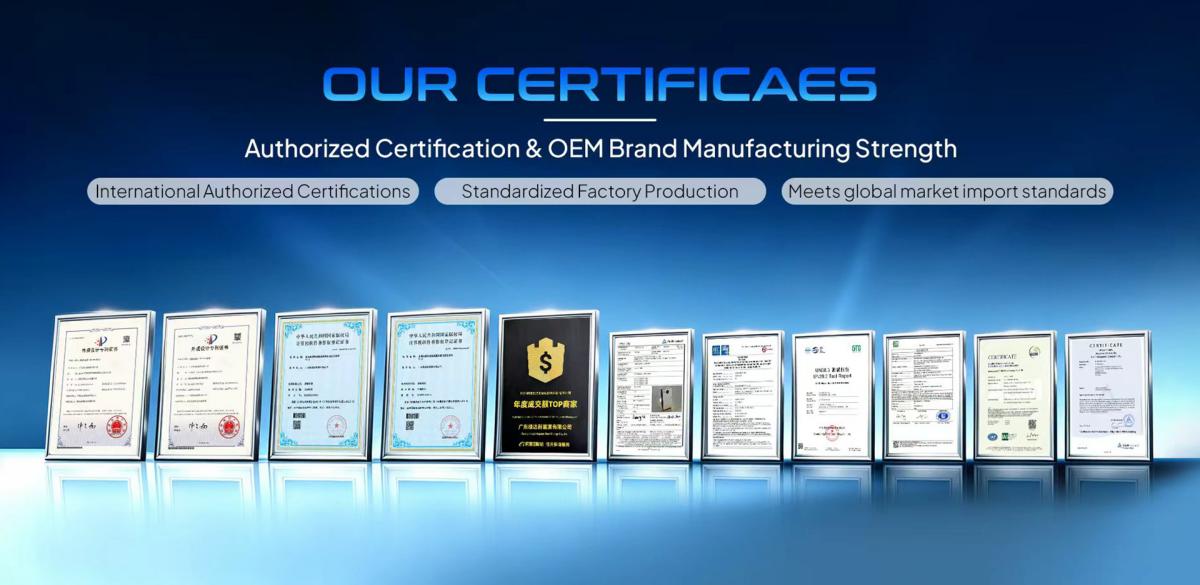
For standards such as UL 9540 and IEC 62619, always confirm whether the relevant certificate applies to the specific battery, inverter or complete energy storage system. Do not assume that every product in a supplier's portfolio is covered by the same certifications.
The best practice is to verify the documentation for the exact model and confirm that it meets the regulatory and installation requirements of your target market.
6. Why Consider LVTOPSUN?
LVTOPSUN – Dongguan Smart Factory + Residential ESS & Inverter Manufacturer + Grade-A LiFePO₄ Battery Solutions
Guangdong LVTOPSUN New Energy Co., Ltd. has focused on lithium battery technology and energy storage since 2016. Its business covers research and development, manufacturing, sales and service.
| Company Strength | LVTOPSUN at a Glance |
| Industry Experience | 11+ years of energy storage experience |
| Sales | RMB 1.5 billion |
| Global Presence | 26 overseas branches |
| International Reach | Customers in 50+ countries |
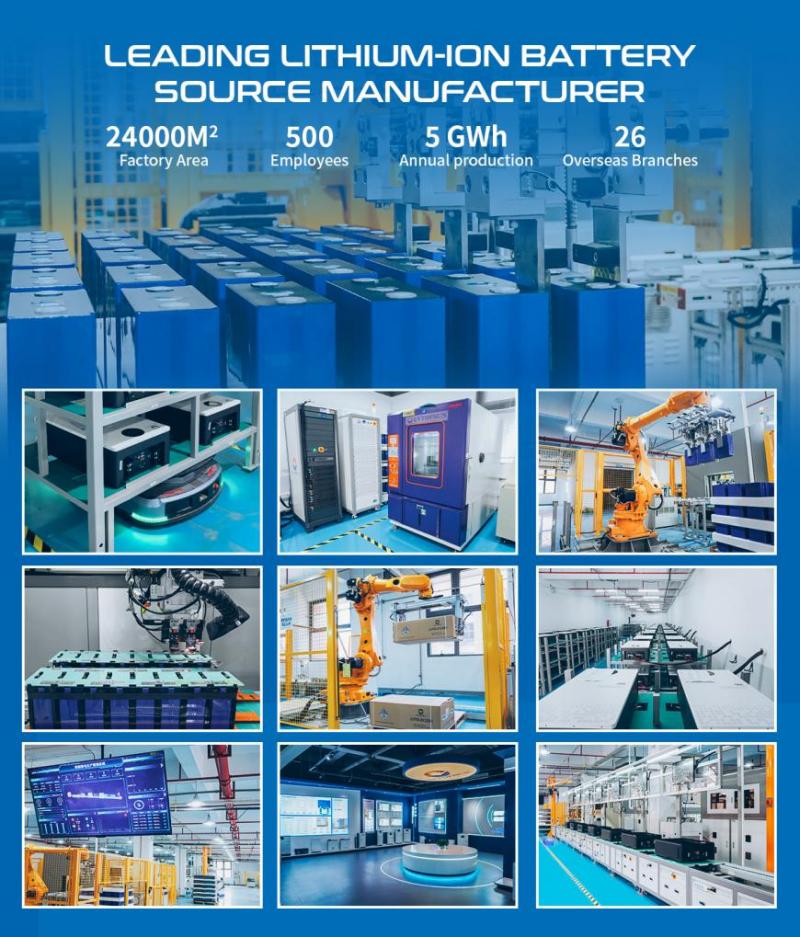
| Manufacturing | 24,000 m² smart manufacturing facility in Dongguan |
| Production Capacity | 5 GWh+ annual capacity |
| R&D | 120+ professional R&D engineers |
| Inverter Compatibility | Compatible with 25+ mainstream inverter brands |
LVTOPSUN's manufacturing capabilities include automated assembly, precision welding, intelligent testing and 100% end-of-line testing before shipment
With Grade-A battery-cell solutions, BMS technology, residential energy storage products and inverter compatibility, LVTOPSUN supports distributors, installers and project partners seeking practical energy storage solutions for different markets.
For international projects, customers can request product datasheets, applicable certificates, communication protocols and contact details for the relevant local branch.
Frequently Asked Questions
How do I calculate the battery capacity my home needs?
Start with your daily electricity consumption, the amount of solar energy available for storage and the loads you want to support during an outage. Then compare the required energy with the battery's usable capacity.
Why is BMS important in a residential battery?
The BMS monitors battery status and helps manage charging, discharging and protection. Its functions and monitoring accuracy vary by product, so review the specific model's technical documentation.
Which certifications should I check before purchasing?
Check the certificates required by your target market and project. Confirm that each certificate applies to the exact battery or system model being supplied.
Find the Right Residential ESS for Your Market
A well-matched residential energy storage system combines suitable capacity, reliable battery technology, intelligent BMS protection, inverter compatibility and verified compliance documentation.
With a 24,000 m² Dongguan smart factory, 5 GWh+ annual production capacity and 26 overseas branches, LVTOPSUN works with global partners to support residential energy storage projects.
Contact LVTOPSUN to discuss your application, product specifications and residential energy storage requirements.